


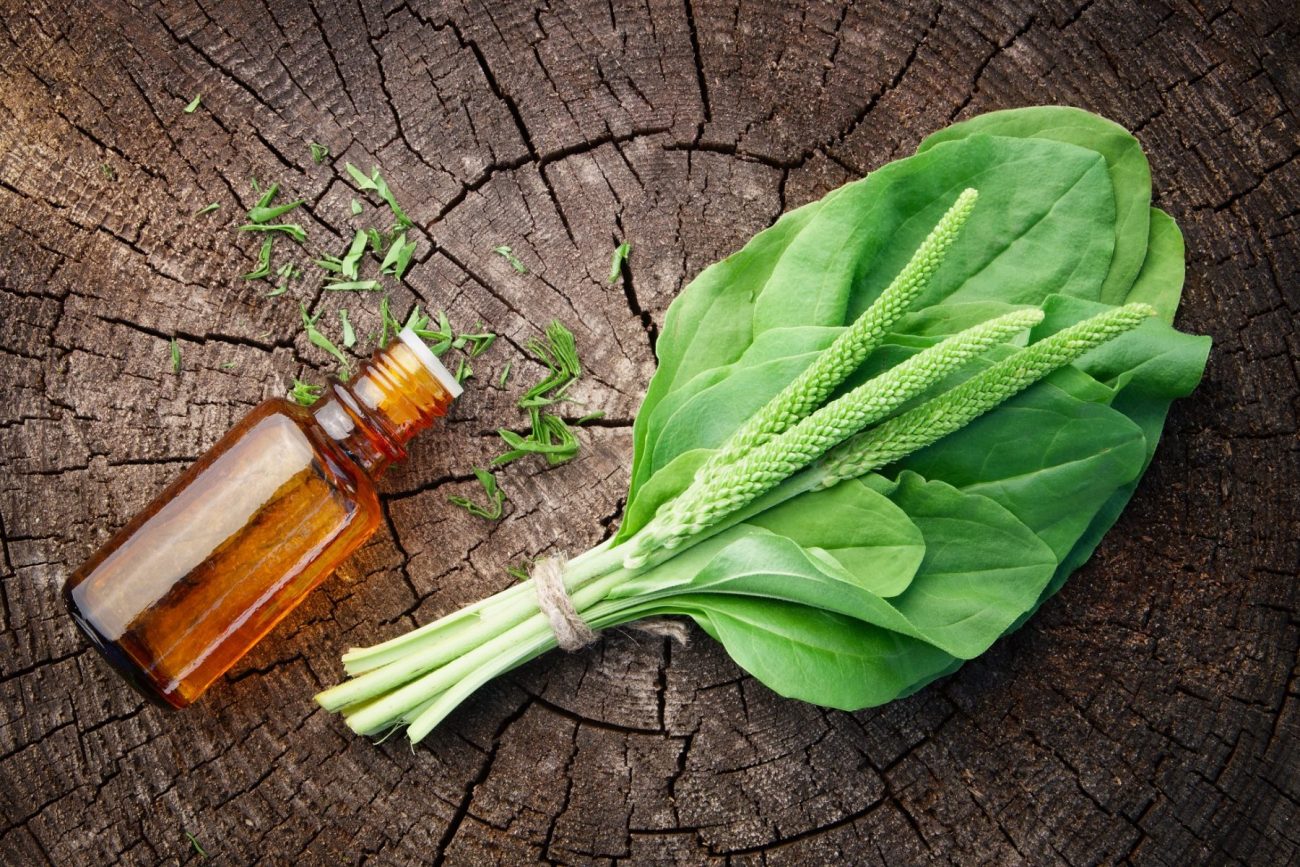
Plantain weed is one of those plants most people walk past every day without realizing its value. Often dismissed as a common lawn weed, this resilient plant has been used for centuries as both food and medicine. Found growing in cracks, fields, gardens, and pathways, plantain weed quietly offers powerful healing properties and surprising culinary uses.
What Is Plantain Weed?
Plantain weed refers mainly to two common species: Plantago major (broadleaf plantain) and Plantago lanceolata (narrowleaf plantain). Despite the name, it is not related to the banana-like plantain fruit.
It is characterized by:
- Low-growing rosette of leaves
- Oval or lance-shaped green leaves with strong veins
- Tall seed stalks that appear in mature plants
This hardy plant thrives in disturbed soils, which is why it is so widespread.
Nutritional and Healing Power
Plantain weed is more than just survival greenery—it contains a variety of beneficial compounds:
- Vitamins A, C, and K
- Calcium and iron
- Antioxidants
- Anti-inflammatory compounds (like aucubin and allantoin)
These nutrients support overall health and make plantain weed useful in both internal and external healing.
Medicinal Benefits of Plantain Weed
Traditionally used in herbal medicine systems across the world, plantain weed offers several healing properties:
1. Skin Healing
Crushed fresh leaves can be applied to:
- Cuts and scrapes
- Insect bites
- Minor burns
It helps reduce inflammation and speeds up skin repair.
2. Digestive Support
When consumed as tea or food, plantain weed may help:
- Soothe stomach irritation
- Support gut health
- Reduce mild inflammation in the digestive tract
3. Respiratory Relief
Herbal teas made from the leaves have been used to ease:
- Coughs
- Congestion
- Throat irritation
Can You Eat Plantain Weed?
Yes—plantain weed is completely edible when properly identified and cleaned.
Edible Parts:
- Young leaves (best for salads or cooking)
- Mature leaves (better cooked than raw)
- Seeds (can be ground or used as fiber supplement)
Taste Profile:
- Mild, slightly earthy
- Older leaves can be a bit fibrous or bitter
How to Use Plantain Weed in Food
Here are simple ways to include it in your diet:
1. Fresh Salad Greens
Young leaves can be chopped and mixed with other greens.
2. Herbal Tea
Steep dried or fresh leaves in hot water for a soothing tea.
3. Cooked Greens
Sauté like spinach with garlic and oil to soften texture and reduce bitterness.
4. Smoothies
Blend small amounts of young leaves with fruits for a nutrient boost.
Foraging and Safe Use
When collecting plantain weed, keep these tips in mind:
- Harvest from clean, pesticide-free areas
- Choose young leaves for best flavor
- Wash thoroughly before use
- Always confirm correct plant identification
Nature offers many edible plants, but responsible foraging ensures safety and sustainability.
A Note on Modern Interest in “Weed Edibles Buy”
In today’s digital world, many people search online for terms like “weed edibles buy”, often referring to packaged herbal or cannabis-related products. However, plantain weed is different—it is a natural wild edible plant that can be safely foraged, prepared, and used without commercial processing.
Understanding the difference helps you reconnect with traditional plant-based nutrition rather than relying only on store-bought products.
Final Thoughts
Plantain weed is a powerful reminder that some of the most valuable healing plants are growing right beneath our feet. Whether used for food, first aid, or herbal wellness, it offers a simple yet effective way to reconnect with natural living.
Learning to identify and use plantain weed can turn an ordinary “lawn weed” into a source of nourishment and healing.