


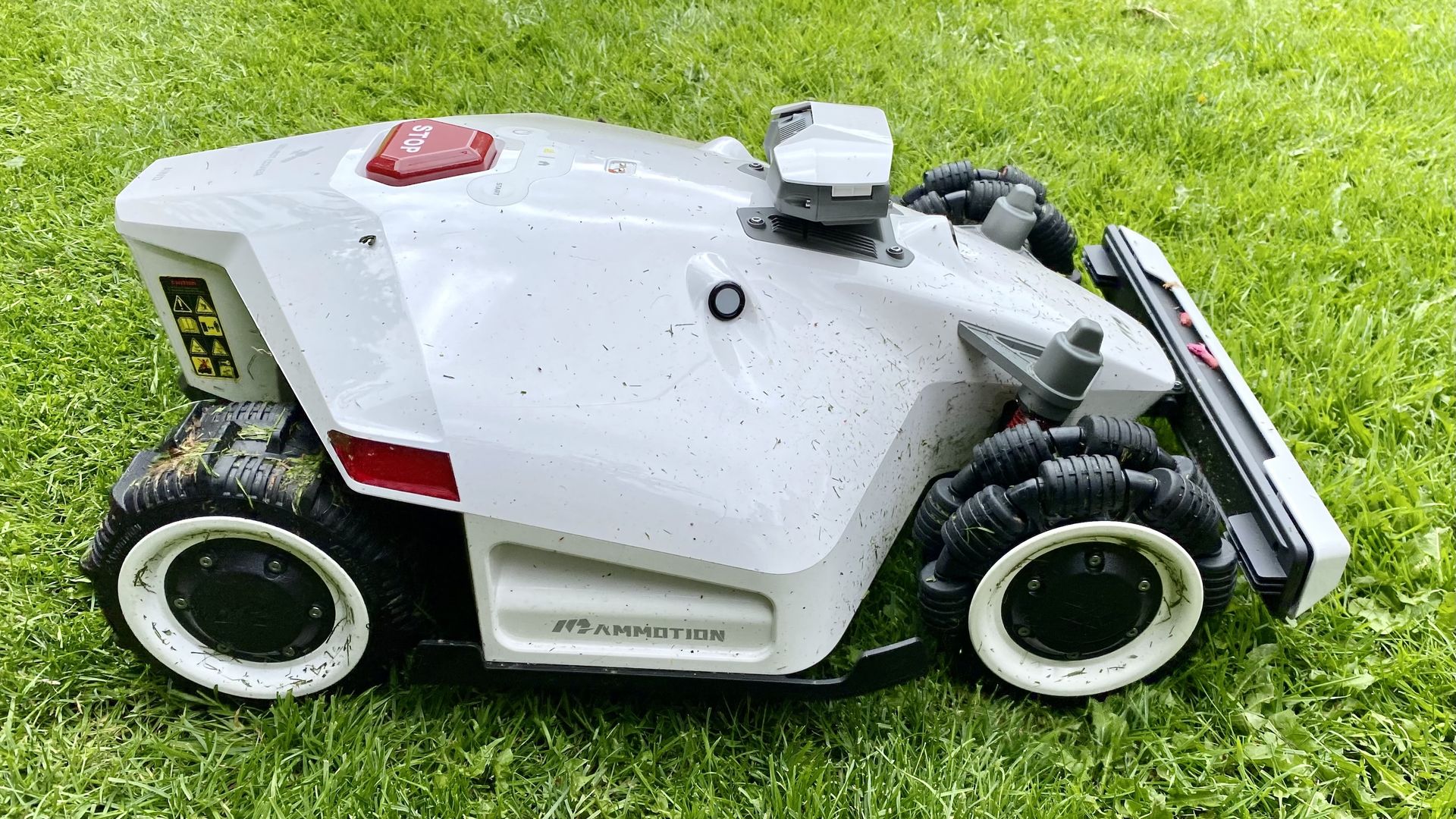
Robot lawn mowers have rapidly evolved from simple random-path devices into highly intelligent machines capable of mapping, learning, and adapting to outdoor environments. One of the most significant advancements is the rise of Smart Navigation Features in robot lawn mower without boundary wire, which eliminates the need for physical perimeter cables while improving efficiency and flexibility.
In this article, we’ll explore how these systems work, what technologies power them, and why they are reshaping modern lawn care.
Understanding Wireless Robot Lawn Mower Navigation
Traditional robot mowers relied on boundary wires buried around the lawn to define cutting zones. While effective, this setup was time-consuming and inflexible. Modern systems now use advanced navigation technologies that remove this limitation entirely.
Smart Navigation Features in Robot Lawn Mowers Without Boundary Wire allow devices to understand their environment digitally instead of physically. This shift enables easier setup, smarter movement, and better coverage of complex lawns.
These systems typically rely on a combination of GPS, sensors, cameras, and AI-based mapping.
Core Technologies Behind Smart Navigation
1. GPS and RTK Positioning
High-precision GPS, often enhanced with RTK (Real-Time Kinematic) technology, allows robot mowers to determine their exact location within centimeters. This is especially useful for larger lawns where accuracy is essential.
This is one of the foundational elements of Smart Navigation Features in Robot Lawn Mowers Without Boundary Wire, enabling machines to operate without physical guides.
2. Vision-Based AI Cameras
Many modern mowers are equipped with onboard cameras that use artificial intelligence to identify grass, obstacles, and non-lawn areas.
These systems “see” the environment much like a human would, making decisions in real time. This helps prevent collisions with garden furniture, pets, or trees while maintaining efficient mowing paths.
3. LiDAR and 3D Mapping
LiDAR (Light Detection and Ranging) creates detailed 3D maps of the surrounding environment. It works by bouncing laser signals off objects and measuring distances.
This technology significantly improves Smart Navigation Features in Robot Lawn Mowers Without Boundary Wire by allowing precise obstacle detection even in low-light conditions.
4. Sensor Fusion Systems
Instead of relying on a single input, most advanced robot mowers combine multiple sensors—GPS, cameras, bump sensors, and gyroscopes.
This “sensor fusion” approach ensures that if one system fails or becomes inaccurate, others can compensate, maintaining smooth and safe operation.
Benefits of Wireless Smart Navigation Systems
Easier Setup and Maintenance
Without the need for boundary wires, installation becomes significantly faster. Users simply define mowing zones through a mobile app or onboard interface.
This convenience is one of the key advantages of Smart Navigation Features in Robot Lawn Mowers Without Boundary Wire, especially for homeowners who frequently redesign their gardens.
Adaptive Lawn Coverage
Unlike traditional systems that follow fixed paths, wireless mowers dynamically adjust their routes based on real-time data. This results in:
- More uniform grass cutting
- Reduced missed patches
- Better handling of irregular garden shapes
Improved Efficiency and Battery Usage
AI-driven navigation allows mowers to calculate the most efficient route. Instead of randomly moving across the lawn, they follow optimized patterns, saving energy and reducing mowing time.
Enhanced Safety and Obstacle Avoidance
Modern navigation systems are designed with safety as a priority. They can detect objects instantly and reroute to avoid collisions.
Pets, children, and garden structures are all recognized and avoided, making these machines safer than older models.
Challenges and Limitations
While Smart Navigation Features in Robot Lawn Mowers Without Boundary Wire offer many benefits, they are not without challenges:
GPS Signal Limitations
Dense trees, tall buildings, or poor weather conditions can interfere with GPS accuracy.
Higher Cost
Advanced sensors and AI systems make these mowers more expensive than traditional models.
Learning Curve
Although setup is easier without wires, configuring digital maps and zones may take some initial learning.
The Future of Robot Lawn Mower Navigation
The future of robotic lawn care is moving toward fully autonomous outdoor systems. We can expect improvements such as:
- Smarter AI decision-making
- Better integration with smart home systems
- More accurate real-time mapping
- Lower-cost sensor technology
As innovation continues, Smart Navigation Features in Robot Lawn Mowers Without Boundary Wire will likely become the industry standard, replacing wired systems entirely.
Conclusion
Wireless navigation is transforming the way we maintain lawns. By combining AI, GPS, LiDAR, and advanced sensors, modern robot mowers can operate with remarkable precision and independence.
The rise of Smart Navigation Features in Robot Lawn Mowers Without Boundary Wire represents a major step forward in home automation, offering convenience, efficiency, and intelligent performance for homeowners everywhere.