


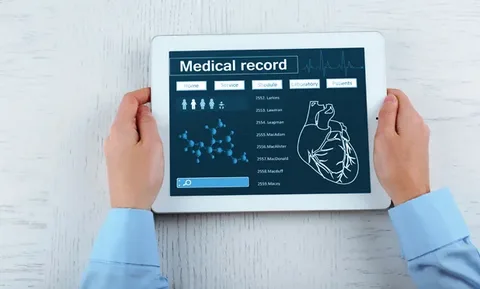
Mental health providers operate in a uniquely complex healthcare environment. From managing long-term treatment plans to ensuring compliance with strict documentation standards, the administrative workload can be overwhelming. At the same time, maintaining a steady cash flow depends heavily on accurate billing and efficient financial processes. This is where electronic medical records software for mental health combined with mental health RCM services becomes essential.
By integrating clinical documentation with revenue cycle management, mental health organizations can streamline operations, reduce errors, and improve both patient care and financial performance.
What Is Electronic Medical Records Software for Mental Health?
Electronic Medical Records (EMR) software for mental health is a digital system designed specifically to manage patient records in behavioral and mental healthcare settings. Unlike general EMR systems, these platforms are tailored to the needs of therapists, psychiatrists, and addiction treatment providers.
Mental health EMR software typically includes:
- Therapy-specific documentation templates
- Treatment planning and progress tracking
- Appointment scheduling and patient management
- Telehealth integration
- Secure and compliant data storage
These features help clinicians document patient interactions efficiently while maintaining accuracy and compliance. The result is improved care coordination and reduced administrative burden.
Understanding Mental Health RCM Services
Mental health RCM services refer to the complete process of managing the financial lifecycle of a patient’s care. This includes:
- Patient intake and insurance verification
- Authorization and eligibility checks
- Clinical coding and billing
- Claims submission and tracking
- Payment posting and denial management
In mental health practices, RCM can be particularly challenging due to session-based billing, varying payer rules, and strict documentation requirements. Without efficient RCM processes, organizations risk delayed payments and lost revenue.
The Connection Between EMR Software and RCM Services
Clinical documentation and revenue cycle management are closely linked. Every claim submitted to an insurance provider depends on the accuracy and completeness of patient records.
When documentation is incomplete or inconsistent, it can lead to:
- Claim denials
- Payment delays
- Increased administrative workload
- Revenue leakage
Electronic medical records software for mental health addresses these challenges by ensuring that clinical data is accurate, structured, and ready for billing. When integrated with RCM services, EMR systems create a seamless workflow from patient care to payment collection.
Key Benefits of Using EMR Software with Mental Health RCM ServicesImproved Documentation Accuracy
Mental health EMR systems provide structured templates and guided workflows that help clinicians capture all necessary information during patient visits. This ensures that records are complete and compliant.
Faster Claims Submission
Integrated systems allow clinical data to flow directly into billing processes, enabling faster claim generation and submission. This reduces delays and accelerates reimbursement timelines.
Reduced Claim Denials
One of the leading causes of denied claims is poor documentation. EMR software helps identify missing or incorrect information before claims are submitted, reducing rejection rates.
Enhanced Revenue Capture
Accurate documentation ensures that all billable services are properly recorded and coded. This helps practices maximize revenue and avoid underbilling.
Increased Staff Efficiency
Automation of administrative tasks, such as data entry and claim tracking, frees up staff time and improves overall productivity.
Why Integration Is Critical for Mental Health Practices
Many mental health providers still use separate systems for clinical documentation and billing. This fragmentation often leads to inefficiencies, data silos, and communication gaps.
By integrating electronic medical records software with mental health RCM services, organizations can:
- Eliminate duplicate data entry
- Improve coordination between clinical and billing teams
- Reduce errors and delays
- Gain better visibility into operations and finances
An integrated approach ensures that every part of the organization works together efficiently, supporting both patient care and financial stability.
The Role of Modern EMR Platforms
Advanced platforms like Opus EHR offer comprehensive solutions that combine electronic medical records software with built-in revenue cycle management capabilities.
These platforms are designed specifically for mental health providers and include features such as:
- Customizable clinical documentation templates
- AI-assisted note generation
- Integrated billing and claims management
- End-to-end mental health RCM services
- Real-time reporting and analytics
By using a unified platform, mental health organizations can simplify complex workflows, reduce administrative burden, and improve both clinical and financial outcomes.
Choosing the Right EMR and RCM Solution
Selecting the right technology is crucial for long-term success. Mental health providers should look for solutions that offer:
- Specialized features for mental health workflows
- Easy-to-use interfaces for clinicians and staff
- Seamless integration between EMR and billing systems
- Strong compliance and data security measures
- Scalability to support growth
The right solution should not only address current challenges but also adapt to future needs.
Conclusion
In the mental health industry, accurate documentation and efficient billing processes are essential for delivering quality care and maintaining financial health. Implementing electronic medical records software for mental health alongside robust mental health RCM services provides a powerful solution to these challenges.
An integrated system improves documentation accuracy, reduces claim denials, and accelerates reimbursements. More importantly, it allows providers to focus on delivering better care to their patients.
As demand for mental health services continues to grow, adopting advanced, integrated technology will be key to building a sustainable and successful practice.