


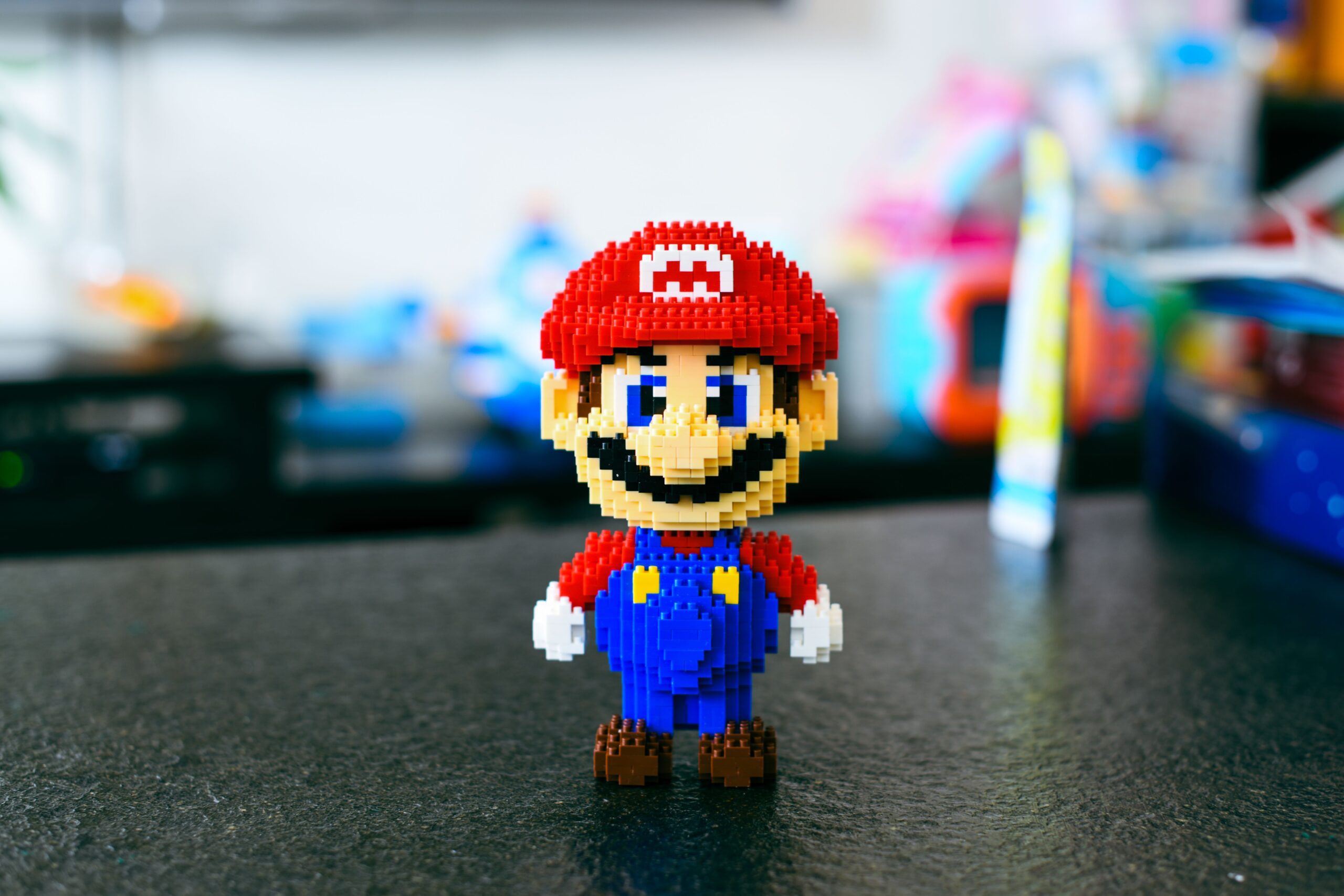
Pixel art has captured the imaginations of creators for decades, tracing its roots back to classic retro video games. Many artists spend hours meticulously placing colorful squares on flat digital canvases to build charming characters and nostalgic landscapes. The satisfaction of completing a flat piece of art is immense, but a new creative frontier allows builders to push those flat images forward into the physical world.
Transforming a flat design into a three-dimensional masterpiece introduces an entirely new layer of artistic fun and spatial awareness. Instead of just looking at a favorite character on a monitor, builders can now hold their creations right in the palms of their hands. This journey from a digital concept to a tangible object bridges the gap between imagination and physical reality.
Translating Flat Graphics into Multidimensional Models
Moving from a flat plane to a dimensional object requires a slight shift in how a creator visualizes space. A standard flat drawing only focuses on height and width to establish imagery. Adding depth means considering how the model looks from the sides, back, and top.
Experienced builders often suggest breaking a complex design down into simpler, individual blocks before snapping the physical parts together. This conceptual breakdown helps prevent mistakes and ensures the final piece remains structurally stable. By thinking about the sculpture as a collection of stacked layers, the transition from a flat screen to a physical table becomes much easier to manage.
Utilizing Digital Apps for Seamless Project Planning
Mapping out a complex dimensional design entirely by hand can sometimes lead to frustrating trial and error. Fortunately, modern creators can utilize specialized online software programs to build a virtual mockup of their ideas before opening any physical box of supplies. For instance, an artist can use a digital 3D custom builder to experiment with different block placements and color arrangements without wasting a single physical piece.
These digital design applications act as a blueprint, allowing the user to view their progress from every possible angle in real time. The software often generates handy step-by-step assembly instructions so builders know exactly where each block belongs.
Using a digital canvas saves an incredible amount of time in the long run. It ultimately gives hobbyists the complete freedom to test out wild ideas risk free.
Choosing the Ideal Materials for Structural Stability
The type of building medium selected for a project plays a significant role in how well the sculpture holds its shape over time. Traditional building toys often require large, clunky baseplates to keep a tall model from tipping over unexpectedly during assembly.
To ensure the best building experience, look for materials that offer:
- Slide-and-stack connection systems that allow pieces to join horizontally, vertically, and diagonally.
- Unique multi-directional connection methods that eliminate the need for internal support rods or messy adhesives.
- Durable finishes that survive accidental bumps and drops without shattering into tiny pieces.
Choosing blocks with a secure, snug fit ensures that the finished artwork remains sturdy on display.
Overcoming Common Obstacles in Dimensional Construction
One of the most frequent challenges builders face when graduating to three-dimensional modeling is managing gravity. Heavy overhanging features, like extended arms or large wings, can pull a sculpture forward if the base is not properly balanced. To counteract this tipping hazard, creators must intentionally widen the footprint of the model or add extra weight to the bottom layers.
Another common hurdle involves choosing the right color palette to create realistic shadows and highlights across the physical surface. Because natural room lighting casts real shadows on a dimensional object, choosing the right shades becomes crucial for defining facial features or clothing folds. Experimenting with different hues during the planning phase helps the final model look dynamic under any lighting condition.
Sharing Your Finished Sculptures with the Creative Community
Completing a physical brick sculpture is a massive milestone that deserves celebration beyond the walls of a crafting room. Taking high-quality photographs from unique angles can make a brick creation look like a scene straight out of a modern animated movie. Many hobbyists love sharing these snapshots on social media platforms to inspire other artists who are looking to start their own building journeys.
Beyond digital sharing, these physical pixel art models serve as excellent conversation starters in an office or living room. They showcase a unique blend of digital nostalgia and engineering skills that appeals to all generations. Seeing a flat concept standing tall on a desk reminds everyone of the magic that happens when art meets physical construction.
Conclusion
Bringing flat pixel art into the physical world is a deeply rewarding process that challenges the mind and unlocks endless creative possibilities. By leveraging digital planning software and choosing the right interlocking blocks, anyone can master the art of dimensional building. The journey requires a little patience, but the final reward is a unique, tangible masterpiece that perfectly captures the spirit of classic pixel design.