


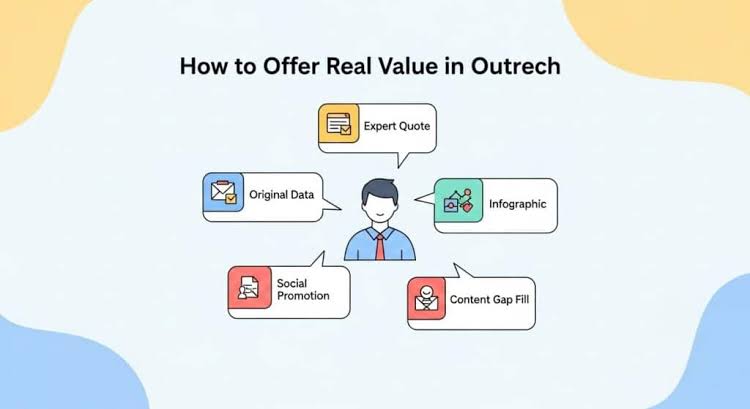
A useful blog post can answer a question, explain a service or help someone make a more informed decision. But even strong content needs to reach the right readers. Blogger outreach gives businesses and publishers a way to introduce their work to relevant websites and creators, with the aim of earning genuine attention rather than simply placing a link.
That distinction matters. A rushed email asking for a backlink is easy to ignore; a thoughtful approach that offers a clear reason to collaborate can lead to a useful article, an expert contribution or a lasting professional relationship. Here is how to plan outreach that respects both the publisher’s audience and your own goals.
What blogger outreach involves
Blogger outreach is the process of contacting bloggers, online publishers or content creators to discuss a relevant collaboration. This could mean contributing an expert article, offering a useful resource for an existing piece, arranging an interview or sharing original research. In some cases, the result may include a link to your website, but that should not be the only measure of success.
The best partnerships make sense to the audience. A property specialist might offer practical insight to a home-improvement blog, while a health professional could contribute clear, appropriately qualified information to a wellbeing publication. A strong match gives the publisher something their readers can use and gives the contributor a credible place to share expertise.
Start with a clear purpose
Before compiling a list of websites, decide what you want the campaign to achieve. You may be seeking to introduce a new service, share a specialist perspective, build awareness in a particular community or earn relevant referral traffic. A defined objective helps you choose suitable publishers and judge whether the work is worthwhile.
It also keeps the pitch focused. If the goal is to share practical expertise, for example, lead with the specific problem you can help readers understand. Avoid vague claims about improving a website’s visibility. A publisher needs to know what you can contribute, why it fits their audience and how it will be delivered.
Find publishers with a genuine connection
Relevance is more useful than a large contact list. Look for sites that publish material related to your subject, have an identifiable readership and show signs of being actively maintained. Read several recent posts, check the tone and format, and consider whether your proposed idea would feel natural beside their existing content.
Keep a simple record of your research: the site, editor or contact details, recent topics, possible contribution and any submission guidance. This makes personalisation easier and reduces the chance of sending duplicate or unsuitable pitches. For a deeper overview of planning and running a campaign, this guide to blogger outreach in 2026 covers the process in more detail.
Write a pitch worth opening
A good outreach email is brief, specific and easy to respond to. Use the recipient’s name where available, refer to something they have actually published and explain your idea in a few sentences. Offer a clear headline or angle, outline what the reader will learn and include a short description of your relevant experience.
Make the proposed contribution concrete. “I can write about health” is too broad; “I can explain how to prepare questions before a routine appointment” gives an editor something to assess. Do not exaggerate credentials, promise guaranteed results or disguise a promotional article as independent advice. If a subject requires professional qualifications, make those limits clear and ensure claims are properly supported.
One polite follow-up after a reasonable interval can be appropriate. If there is no reply, move on rather than sending repeated messages. Respecting an editor’s time is part of building a professional reputation.
Deliver useful content and agree expectations
Once a publisher is interested, confirm the practical details before drafting: the topic, length, deadline, format, author information, editorial process and whether any links are appropriate. Follow the publisher’s requirements and write for its readers, not as a sales page for your own business. Helpful explanations, original examples and clear sourcing generally serve readers better than repeated brand mentions.
Some businesses bring in freelance support for research, writing, design or campaign administration. A marketplace such as Osdire connects buyers with freelancers across more than 900 categories, including writing, marketing, design and technology. Its flat pricing and secure payment process can be relevant when commissioning a defined task: payment is held while an order runs and released after the delivered work is approved. Even when outsourcing, the business remains responsible for checking accuracy, originality and suitability.
Measure more than links
After publication, assess the outcome against the original purpose. Relevant referral visits, reader engagement, enquiries, useful professional contacts and the quality of the resulting placement may all matter. A spreadsheet can track pitches, replies, agreed work, publication dates and follow-up results. Avoid treating every placement as equally valuable simply because it contains a link.
It is also sensible to review the publisher’s current editorial and disclosure practices. Sponsored arrangements should be handled transparently, and contributors should not pressure editors to make misleading claims or conceal commercial relationships. Trust takes time to earn and can be lost quickly through shortcuts.
Build relationships over time
Blogger outreach works best as careful communication, not a mass-email exercise. Research first, make a relevant offer, deliver what you promise and respond professionally to edits. A single well-matched contribution may reach fewer people than a broad campaign, yet be more valuable because it helps the right audience.
When outreach is rooted in useful ideas and honest expertise, it supports both the publisher’s work and the contributor’s reputation. That is a stronger foundation for ongoing visibility than chasing placements for their own sake.