


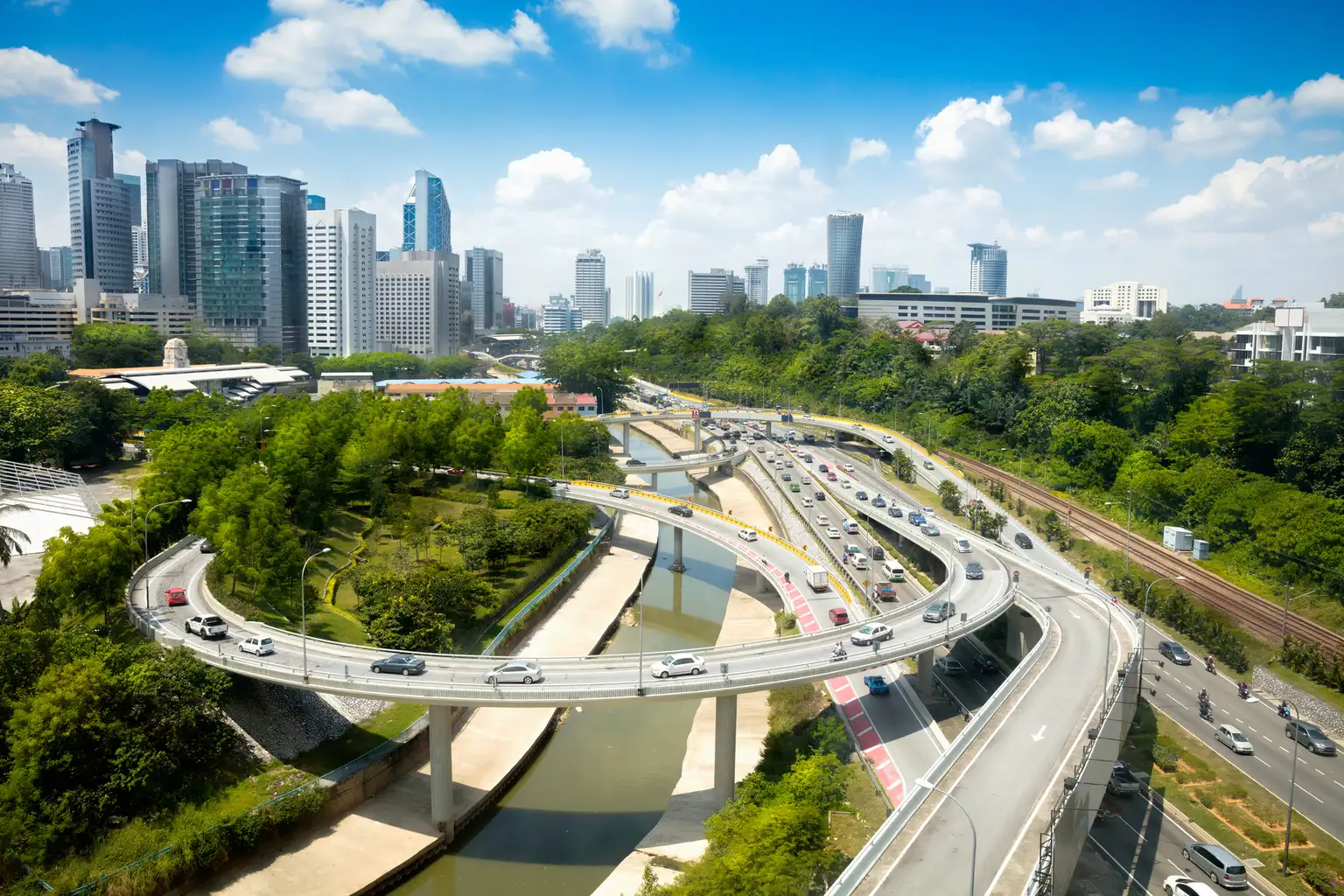
As traffic volumes grow and cross-border travel becomes more frequent, Malaysia’s road infrastructure faces mounting pressure. One system that has gained increasing attention is the Vehicle Entry Permit, commonly referred to as VEP. While often discussed in the context of foreign vehicles entering the country, its importance goes far beyond border checkpoints. Understanding what VEP is and why Malaysian roads need it now is essential to appreciating how the nation can improve traffic management, safety, and long-term transport planning.
What Is VEP?
VEP, or Vehicle Entry Permit, is a regulatory system designed to register and monitor foreign-registered vehicles entering Malaysia. Under VEP Malaysia, vehicles are typically issued a unique identification tag linked to a central database. This tag allows authorities to identify the vehicle, verify compliance with regulations, and track entry and exit movements.
Rather than being just a physical sticker or RFID tag, VEP functions as a digital control mechanism. It connects vehicle data such as registration details, ownership, and payment status to enforcement and transport systems, creating a more transparent and accountable road environment.
Why VEP Malaysia Was Introduced
Malaysia has long been a key destination for cross-border travel, particularly for work, shopping, tourism, and logistics. High volumes of foreign vehicles, especially in urban and border areas, have created challenges such as congestion, enforcement difficulties, and unequal road cost contributions.
VEP Malaysia was introduced to address these issues by:
-
Ensuring foreign vehicles are properly registered
-
Supporting fair road usage policies
-
Strengthening enforcement against traffic violations
-
Improving data collection for transport planning
The goal is not to discourage travel, but to manage it more efficiently and sustainably.
Rising Traffic Pressure on Malaysian Roads
Malaysian roads today face challenges that did not exist at the same scale a decade ago. Urbanisation, population growth, and increased vehicle ownership have placed significant strain on infrastructure. When foreign vehicles are added to this mix without a robust monitoring system, it becomes harder to manage congestion and maintenance needs.
Without VEP Malaysia, authorities have limited visibility over how frequently foreign vehicles use local roads, where congestion hotspots occur, or how road usage patterns change during peak periods. VEP fills this gap by providing accurate, real-time data.
Improving Fairness and Cost Sharing
One of the strongest arguments for VEP Malaysia is fairness. Road maintenance, traffic management systems, and enforcement all require funding. Local drivers contribute through road tax, tolls, and fuel duties. Without a proper permit system, foreign vehicles may benefit from the same infrastructure without contributing proportionately.
VEP allows Malaysia to create a more balanced system where road usage is tracked and managed fairly, ensuring that maintenance costs are shared more equitably among all users.
Strengthening Traffic Enforcement and Safety
Traffic enforcement becomes more effective when vehicles can be easily identified. VEP Malaysia helps authorities link foreign vehicles to their owners, making it easier to enforce traffic rules, issue penalties, and reduce repeat offences.
This improved accountability can lead to safer roads overall. When drivers know they can be identified and held responsible, compliance with speed limits, traffic signals, and parking rules tends to improve.
Supporting Smarter Transport Planning
Modern transport planning relies heavily on data. VEP Malaysia provides valuable insights into traffic flow patterns, peak usage times, and border-to-city movement trends. This data can support better decisions on road expansions, public transport investments, and congestion management strategies.
Over time, VEP data can help policymakers design smarter, more sustainable transport systems that benefit both locals and visitors.
Addressing Common Concerns About VEP
Some concerns around VEP focus on inconvenience or delays. However, when implemented efficiently, VEP Malaysia is designed to streamline entry rather than complicate it. Digital registration, automated checkpoints, and integrated payment systems can reduce manual checks and waiting times.
Another concern is tourism impact. In reality, well-managed road systems enhance the travel experience by reducing congestion, improving safety, and ensuring smoother journeys.
Why Malaysia Needs VEP Now, Not Later
Delaying the full adoption of VEP Malaysia risks worsening existing problems. Traffic congestion, enforcement challenges, and infrastructure strain will only increase as vehicle numbers rise. Implementing VEP now allows Malaysia to stay ahead of these challenges rather than reacting to them later at a higher cost.
Early adoption also provides time to refine systems, educate users, and integrate VEP with broader smart city and digital transport initiatives.
Conclusion
VEP is more than a permit—it is a foundation for smarter, fairer, and safer road management. As Malaysia continues to grow as a regional hub for travel and commerce, systems like VEP Malaysia are no longer optional but necessary. By embracing VEP now, Malaysia can protect its road infrastructure, improve traffic efficiency, and create a more balanced experience for everyone who uses its roads.
