


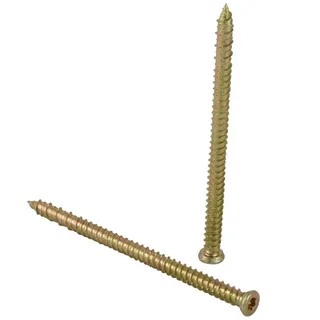
When it comes to securing materials to concrete, masonry, or brick surfaces, using the correct fasteners is essential. The wrong choice can lead to weak attachments, damaged surfaces, or wasted time and money. This guide will help you understand how to select the best concrete screws for any project, ensuring safety, durability, and efficiency.
Why Concrete Screws Are Essential
Concrete screws are specifically designed to provide a strong hold in hard materials like concrete, brick, and block. Unlike nails or regular screws, concrete screws cut threads into the material as they are installed, creating a secure bond. This makes them ideal for projects ranging from mounting shelves and cabinets to building decks or securing heavy equipment.
Benefits of Using Concrete Screws
- Easy Installation: Requires minimal pre-drilling with the right tools.
- Strong Hold: Designed to grip tightly in concrete and masonry.
- Removable: Can be removed and reused without significant damage.
- Versatility: Suitable for indoor and outdoor applications.
Factors to Consider When Choosing Concrete Screws
Choosing the right concrete screws requires considering the type of project, material, and environmental conditions. Here are the key factors:
1. Screw Material and Coating
Concrete screws are available in steel, stainless steel, and zinc-coated variants. For outdoor or moisture-prone areas, stainless steel screws are ideal to prevent corrosion. Zinc-coated screws are a budget-friendly option for indoor projects.
2. Size and Length
Selecting the proper size and length ensures the screw can hold the load without cracking the concrete. Measure the thickness of the material you’re attaching and the base concrete to determine the correct screw length.
3. Thread Type
Concrete screws come with coarse or fine threads. Coarse threads are ideal for softer concrete and masonry, while fine threads are better for harder concrete to provide maximum grip.
4. Load Requirements
Consider the weight and type of load the screws will bear. Heavy-duty projects like mounting metal frames or machinery will require thicker screws with higher tensile strength.
Tools Needed for Installation
- Hammer Drill: Required for drilling pilot holes into concrete.
- Masonry Bit: Sized according to screw diameter.
- Screwdriver or Impact Driver: To drive screws securely.
- Safety Gear: Safety goggles, gloves, and dust mask.
Tips for a Successful Installation
- Always pre-drill the hole using a properly sized masonry bit.
- Clean out dust from the hole for maximum grip.
- Insert screws straight to prevent splitting the concrete.
- Avoid overtightening, which can strip threads or crack the base material.
Conclusion
Selecting the right concrete screws doesn’t have to be overwhelming. By considering material, size, thread type, and load capacity, you can ensure your project is secure and durable. Remember, The Ultimate Guide to Choosing the Right Concrete Screws for Any Project emphasizes safety, efficiency, and long-lasting results. Whether you’re working on a simple shelf installation or a heavy-duty structural project, the right screws make all the difference.
