


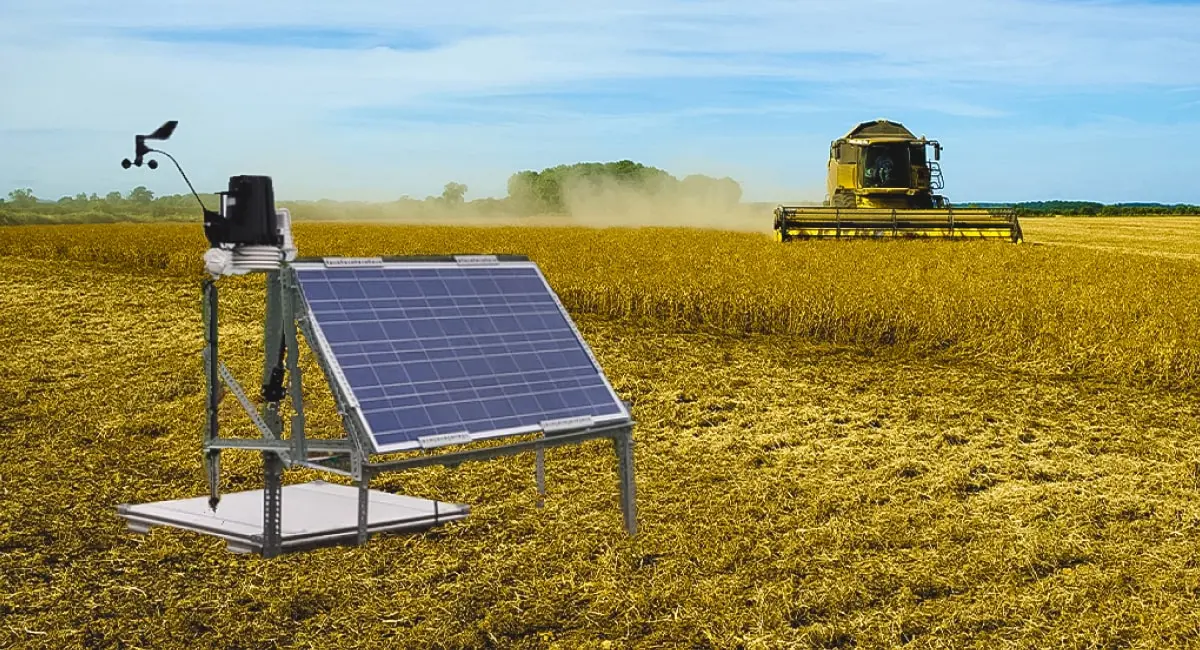
In today’s rapidly evolving agricultural landscape, technology plays a pivotal role in maximizing productivity and sustainability. Precision agriculture tools every modern farmer should know are not just a luxury—they are essential for enhancing efficiency, reducing waste, and improving crop yields. Let’s explore the key tools that are revolutionizing modern farming.
What is Precision Agriculture?
Precision agriculture, often referred to as smart farming, involves using advanced technologies to monitor, measure, and optimize agricultural practices. It enables farmers to make data-driven decisions, improving efficiency and sustainability. By integrating technology into farming, farmers can precisely manage soil, water, nutrients, and crops, ensuring better results with fewer resources.
Essential Precision Agriculture Tools
1. GPS and GNSS Systems
Global Positioning System (GPS) and Global Navigation Satellite System (GNSS) are foundational tools in precision agriculture. These systems allow farmers to accurately map fields, track machinery, and manage crop planting with pinpoint accuracy. They reduce overlapping, save fuel, and ensure that every inch of farmland is utilized efficiently.
2. Drones and Aerial Imaging
Drones have transformed the way farmers monitor crops. Equipped with cameras and sensors, drones provide real-time aerial images, helping detect diseases, pests, and nutrient deficiencies early. They also allow for precise mapping and monitoring of crop growth, making them indispensable precision agriculture tools every modern farmer should know.
3. Soil and Crop Sensors
Soil and crop sensors provide critical data on moisture levels, nutrient content, and crop health. By monitoring soil conditions in real time, farmers can optimize irrigation and fertilization strategies, reducing waste and boosting yields. These sensors are essential for precision nutrient management and environmental conservation.
4. Variable Rate Technology (VRT)
Variable Rate Technology allows farmers to apply inputs—such as fertilizers, pesticides, and water—at varying rates across a field. This ensures that each part of the field receives exactly what it needs. VRT not only improves efficiency but also minimizes environmental impact, making it one of the most valuable precision agriculture tools every modern farmer should know.
5. Farm Management Software
Farm management software integrates data from multiple sources, providing farmers with actionable insights. It helps track operations, manage resources, analyze crop performance, and make strategic decisions. Modern software solutions often include mobile apps, cloud storage, and AI-based analytics, making them indispensable for tech-savvy farmers.
The Future of Precision Agriculture
The future of farming lies in continuous innovation. Emerging technologies like AI-driven robotics, automated tractors, and predictive analytics are expanding the scope of precision agriculture. By adopting these tools, farmers can increase productivity while promoting sustainable practices.
Conclusion
Modern farming requires more than traditional knowledge; it demands a smart, data-driven approach. Precision agriculture tools every modern farmer should know—from GPS systems and drones to soil sensors and advanced software—are transforming the way we grow food. Embracing these technologies ensures higher yields, reduced costs, and a sustainable future for agriculture.
