


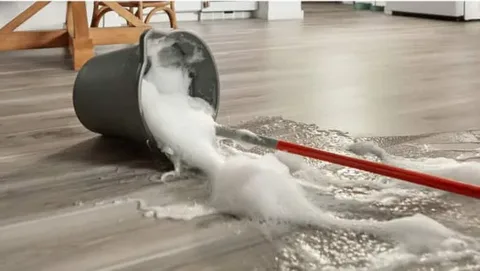
Waterproof flooring has become increasingly popular due to its durability, low maintenance, and resistance to moisture. Whether you are renovating your kitchen, bathroom, or basement, installing waterproof flooring can be a game-changer. In this article, we will guide you on how to install waterproof flooring: step-by-step tips to ensure a professional-looking finish.
Why Choose Waterproof Flooring?
Before diving into the installation process, it’s important to understand why waterproof flooring is a smart choice:
- Moisture Resistance: Perfect for areas prone to spills, humidity, or water exposure.
- Durability: Can withstand heavy foot traffic and daily wear and tear.
- Easy Maintenance: Simple to clean without the risk of water damage.
- Aesthetic Variety: Available in wood, tile, and stone looks without the high cost.
With these benefits in mind, let’s explore the step-by-step installation process.
Tools and Materials You Will Need
Before starting, gather the following materials and tools:
- Waterproof flooring planks or tiles
- Underlayment (if required)
- Tape measure
- Utility knife or saw
- Spacers
- Rubber mallet
- Tapping block
- Level
- Pencil
Having everything ready will make the installation process smoother and more efficient.
Step 1: Prepare the Subfloor
A clean, dry, and level subfloor is crucial for a successful installation. Follow these steps:
- Remove any existing flooring or debris.
- Ensure the subfloor is level; use a leveling compound if necessary.
- Clean thoroughly to remove dust and dirt.
- Check for moisture and address any leaks before proceeding.
Proper preparation prevents future issues like warping or gaps.
Step 2: Plan Your Layout
Planning your layout ensures your flooring looks professional and balanced:
- Measure the room to determine how many planks or tiles you will need.
- Decide the direction of the planks; usually, running them parallel to the longest wall looks best.
- Dry-fit a few rows to visualize the final layout.
Step 3: Install the Underlayment (If Needed)
Some waterproof flooring types require an underlayment for added comfort and insulation:
- Roll out the underlayment across the subfloor.
- Trim excess with a utility knife.
- Tape seams together to avoid shifting.
Check the manufacturer’s instructions to confirm if underlayment is necessary.
Step 4: Lay the Flooring
Now comes the fun part: installing the waterproof flooring.
- Start in one corner of the room, leaving a small expansion gap around the edges.
- Click or lock the planks together, depending on your flooring type.
- Use a rubber mallet and tapping block to secure the pieces tightly.
- Continue row by row until the room is fully covered.
Pro tip: Stagger seams to create a natural and professional appearance.
Step 5: Finishing Touches
Once all the flooring is installed:
- Remove spacers and install baseboards or trim to cover expansion gaps.
- Clean the surface with a damp mop to remove dust.
- Inspect for any loose planks or gaps and fix as needed.
Following these steps ensures your waterproof flooring remains secure and looks beautiful for years.
Conclusion
Installing waterproof flooring doesn’t have to be intimidating. By following this guide on how to install waterproof flooring: step-by-step tips, you can achieve a flawless result that enhances both the look and functionality of your space. Remember to prepare your subfloor carefully, plan your layout, and take your time during installation for the best outcome.
Waterproof flooring is an investment in both style and practicality, making it a smart choice for any home improvement project.
