


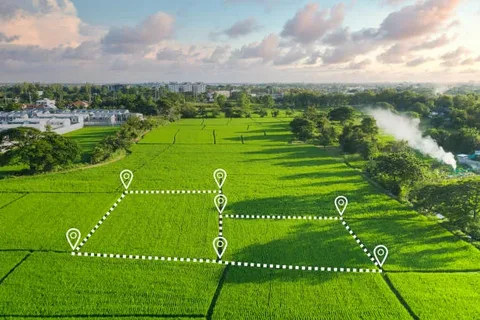
Buying land is exciting, but choosing the right location can feel overwhelming. The land you choose affects not only what you can build, but also how you’ll live day to day and how the property may grow in value over time. Whether you’re planning to build soon or hold the land for the future, location deserves careful thought. A good choice now can save you stress, money, and regret later.
Below are key factors to help guide your decision, explained in a clear and practical way.
Consider Your Lifestyle Needs
Start by thinking about how you plan to use the land. Will it be your primary home, a weekend retreat, or a long-term investment? Your daily routine should shape the location you choose, from commute times to access to schools, shops, and healthcare.
Some people love quiet, open spaces, while others prefer being closer to town. There’s no wrong answer, but being honest about your lifestyle helps narrow your options. A location that fits your real needs will feel right long after the excitement of buying fades.
Evaluate Access and Infrastructure
Access to the property is more important than many buyers realize. Check whether the land connects to a public road or requires an easement, which is a legal right to cross someone else’s property. Easy access matters for construction, deliveries, and everyday convenience.
It’s also smart to look into utilities like electricity, water, and internet. Even if you plan to live off-grid, knowing your options gives you flexibility. Land that seems affordable upfront can become costly if basic services are hard to reach.
Understand the Surrounding Area
The land itself is only part of the picture. What surrounds it can greatly affect your experience and the property’s value. Look at nearby developments, land use, and future growth plans for the area. Changes like new roads or commercial projects can reshape an area faster than many buyers expect.
Talk to locals if you can, or spend time driving around at different times of day. This helps you understand traffic, noise, and overall community feel. A peaceful area today should still align with your expectations years from now. Visiting on weekdays and weekends can reveal differences you might otherwise miss.
Check Land Use and Buildability
Before falling in love with a location, make sure you can actually build what you want. Zoning rules decide how land can be used, such as residential, agricultural, or mixed-use. These rules are set by local governments and can limit building size or type.
You’ll also want to consider whether the land is “buildable.” This usually means the soil, slope, and drainage support construction. A quick check now can prevent major headaches later.
Think About Long-Term Value
Even if you’re buying land for personal use, resale value still matters. Locations near growing towns, natural attractions, or planned infrastructure often hold value better over time. While no one can predict the future perfectly, trends can offer helpful clues.
When people decide to buy a plot of land, many look for a balance between current enjoyment and future potential. A smart location choice can provide both peace of mind and financial flexibility.
Choose with Confidence and Clarity
Choosing the right location when buying land isn’t about finding the “perfect” spot. It’s about finding land that fits your goals, lifestyle, and long-term plans. Taking time to research access, surroundings, and future growth helps you avoid costly surprises.
Land is a big decision, but it doesn’t have to feel rushed or confusing. With clear priorities and a thoughtful approach, you can choose a location that feels right today and continues to make sense for years to come.
