


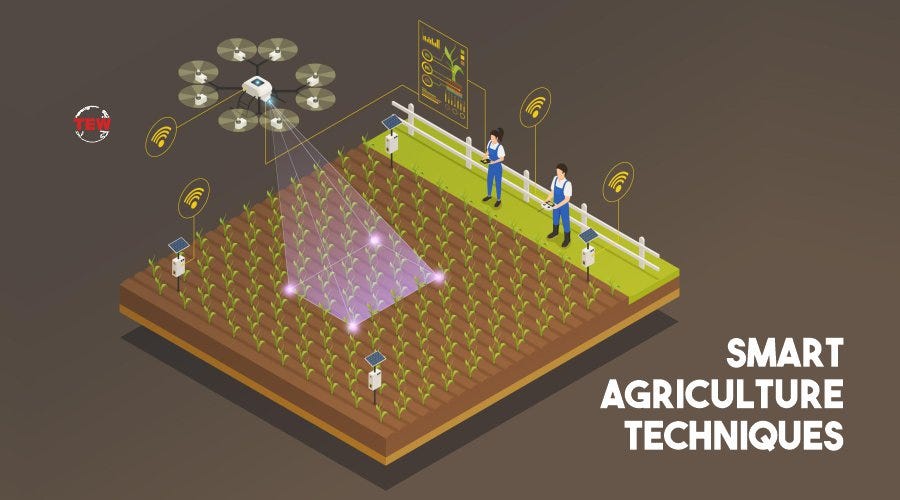
In today’s world, ensuring food security for a growing population is one of the most pressing global challenges. Traditional farming methods are increasingly under pressure due to climate change, resource limitations, and rising demand for food. This is where smart agriculture comes into play. By integrating advanced technologies into farming practices, smart agriculture offers innovative solutions that support sustainable food production while conserving natural resources.
What is Smart Agriculture?
Smart agriculture refers to the use of modern technologies such as the Internet of Things (IoT), artificial intelligence (AI), drones, and sensors to optimize agricultural practices. These technologies provide real-time data on soil conditions, weather patterns, crop health, and water usage, enabling farmers to make informed decisions. This precision approach reduces waste, increases efficiency, and ensures that crops grow in optimal conditions.
Enhancing Crop Productivity
One of the key ways how smart agriculture supports sustainable food security is by enhancing crop productivity. Smart systems can monitor crops continuously and detect early signs of pests, diseases, or nutrient deficiencies. Automated irrigation systems ensure that water is used efficiently, preventing overwatering and conserving this vital resource. By maximizing yields per hectare without exhausting the land, smart agriculture helps meet the food demands of a growing global population.
Reducing Environmental Impact
Sustainability is at the heart of modern farming. Smart agriculture contributes to environmental conservation by reducing chemical usage and minimizing soil degradation. Precision farming techniques allow targeted application of fertilizers and pesticides, limiting their impact on the surrounding ecosystem. This approach not only protects biodiversity but also reduces greenhouse gas emissions, making agriculture more environmentally responsible.
Supporting Global Food Security
With climate change affecting traditional farming regions, ensuring consistent food production has become critical. How smart agriculture supports sustainable food security is evident in its ability to make farming resilient to unpredictable weather and resource scarcity. By leveraging data-driven solutions, farmers can plan planting and harvesting schedules more accurately, avoid crop failures, and maintain a steady food supply even under challenging conditions.
Future Prospects
The future of agriculture is increasingly digital. Integration of AI-driven analytics, robotics, and blockchain for supply chain transparency will further strengthen the role of smart agriculture. By providing actionable insights and reducing inefficiencies, these innovations ensure that sustainable food production is scalable and capable of feeding a growing world population.
Conclusion
In summary, how smart agriculture supports sustainable food security lies in its ability to combine technology with traditional farming practices. By enhancing productivity, reducing environmental impact, and improving resilience to climate change, smart agriculture plays a crucial role in building a sustainable and secure food system for the future.
