


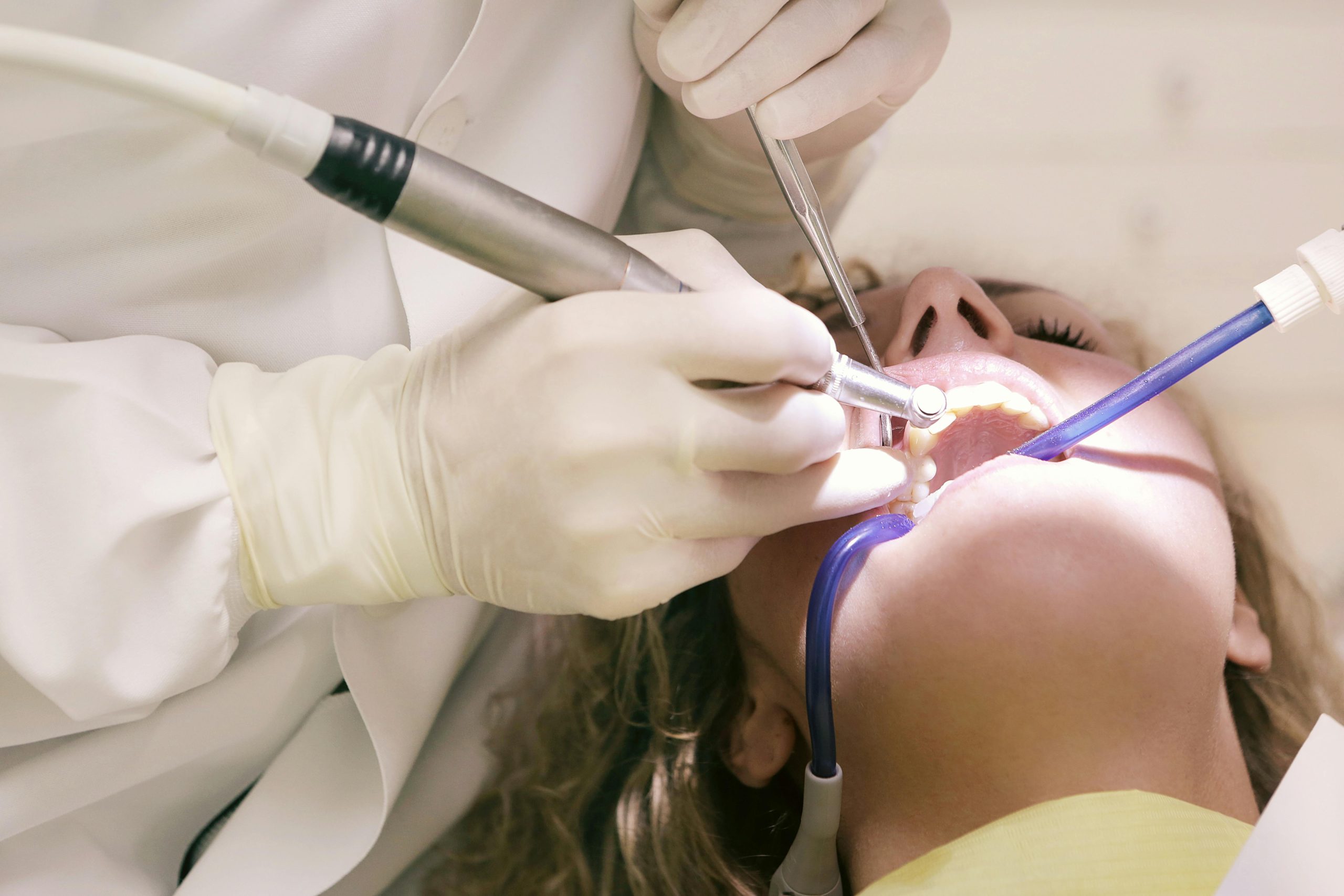
Visiting the dentist regularly is one of the simplest ways to protect your smile, yet many people aren’t sure how often they should actually go. The answer isn’t exactly the same for everyone, because dental needs change as we grow. Age, lifestyle, and overall oral health all play a role in setting the right schedule. Understanding what’s recommended at each stage of life can make dental care feel more manageable and less stressful.
Regular visits are about more than just clean teeth. They help spot small problems before they become painful or expensive. When dental care fits naturally into your routine, it’s easier to stay consistent. Let’s look at how dental visit timing typically changes from childhood through older adulthood.
Building Healthy Habits in Early Childhood
For young children, dental visits are about comfort and prevention. Most kids benefit from seeing a dentist every six months once their first teeth come in. These visits help monitor growth, teach brushing habits, and catch early signs of tooth decay.
Early appointments also help children feel relaxed in the dental chair. When visits are familiar and positive, fear is less likely to develop. Parents can use this time to ask questions and learn how diet and daily habits affect growing teeth. Starting early sets the foundation for lifelong oral health.
Supporting Smiles Through the Teen Years
Teenagers often face new dental challenges as permanent teeth settle in. Braces, wisdom teeth, and busy schedules can all affect oral care. Most teens still benefit from visits every six months to keep teeth clean and gums healthy.
These years are also a good time to reinforce good habits. Sports drinks, sugary snacks, and inconsistent brushing can increase cavity risk. Regular checkups help dentists spot wear, crowding, or early gum irritation. Consistent care during the teen years helps prevent problems later on.
Maintaining Oral Health in Adulthood
For most adults, seeing the dentist twice a year remains the standard recommendation. These visits allow for professional cleanings and exams that remove buildup brushing can’t reach. They also help catch issues like cavities or gum disease early.
Life changes can affect dental needs. Stress, pregnancy, medications, or medical conditions may increase risk for oral problems. Dentists may suggest more frequent visits if gum health becomes a concern. Personalized care helps adults keep their smiles strong through busy years.
Protecting Teeth and Gums as You Age
As adults get older, dental visits become even more important. Gum disease, dry mouth, and tooth wear are more common with age. Many older adults still do well with twice-yearly visits, though some may need more frequent care.
Dentists also monitor restorations like crowns or fillings for wear. Oral health is closely linked to overall health, including heart and bone health. Staying consistent with visits helps preserve comfort, function, and confidence. Good care supports quality of life at every stage.
Adjusting Visit Frequency for Individual Needs
Not everyone fits neatly into an age-based schedule. Some people need more frequent visits due to gum disease, past dental issues, or certain health conditions. Others with excellent oral health may maintain stability with standard visits.
The best schedule is one tailored to you. Open conversations with your dentist help determine what works best. Some practices like Mill Creek Dental focus on personalized care rather than one-size-fits-all advice. A customized approach leads to better long-term results.
Keeping Dental Care Simple and Consistent
Knowing how often to visit the dentist removes a lot of guesswork. While age offers general guidance, personal needs always matter most. Regular visits help prevent problems, reduce costs, and keep your smile comfortable and healthy.
No matter your stage of life, consistency is key. Dental care works best when it becomes part of your routine, not something you put off. By staying informed and proactive, you can protect your teeth and gums for years to come. A healthy smile is truly a lifelong investment.
