


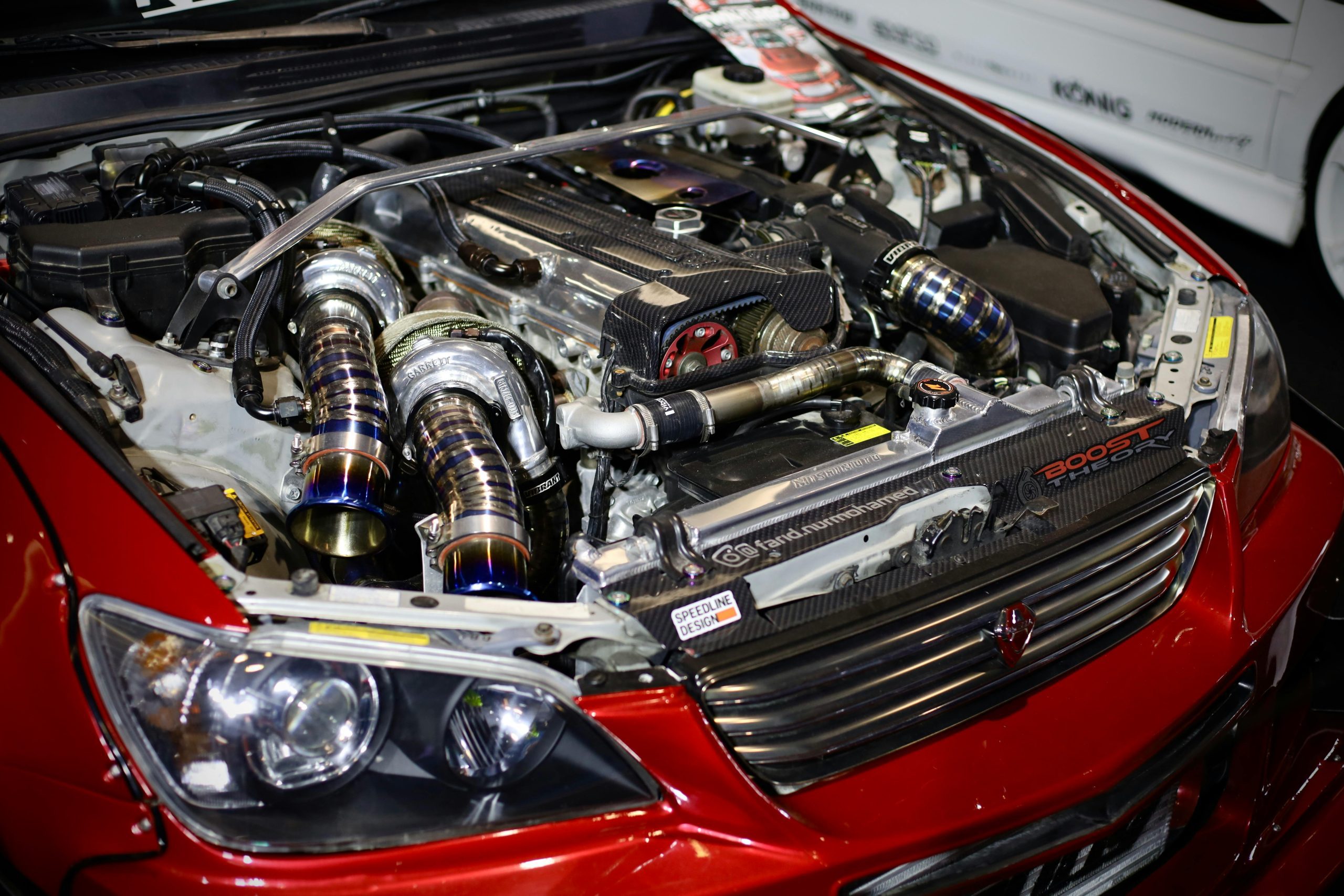
Diesel engines are widely recognized for their durability, fuel efficiency, and torque output. However, much of their performance potential depends on advanced air management systems. Among these components, diesel turbochargers play a crucial role in optimizing combustion and improving overall engine efficiency. By forcing additional air into the combustion chamber, turbochargers allow diesel engines to generate greater power without significantly increasing engine size.
As industries continue to rely on heavy-duty trucks, agricultural machinery, marine vessels, and construction equipment, turbocharging technology remains central to maintaining productivity and reliability. A deeper look at their function and maintenance highlights why these systems are essential in modern diesel applications.
Enhancing Engine Power Efficiently
Turbocharging enhances engine output by compressing incoming air before it enters the combustion chamber. This compressed air contains more oxygen, allowing fuel to burn more completely and efficiently. As a result, engines equipped with diesel turbochargers produce greater horsepower and torque compared to naturally aspirated engines of similar size.
Moreover, this improved combustion process maximizes fuel efficiency while minimizing waste. Instead of increasing engine displacement to achieve higher performance, turbochargers provide a compact and efficient solution. This balance between power and efficiency makes turbocharged diesel engines particularly suitable for heavy-duty operations that demand consistent performance under load.
Improving Fuel Economy Responsibly
Fuel economy remains a critical consideration for fleet operators and equipment owners. Because turbochargers increase air intake efficiency, they help optimize the air-fuel mixture during combustion. When combustion becomes more complete, engines extract more usable energy from each gallon of fuel.
Consequently, diesel turbo chargers contribute to reduced fuel consumption in many applications. This efficiency not only lowers operating costs but also reduces environmental impact by decreasing emissions. Although fuel economy depends on several factors, including driving conditions and maintenance, turbocharging technology supports responsible resource use in demanding environments.
Supporting Emission Reduction Efforts
Environmental regulations continue to shape engine design and performance standards. Cleaner combustion plays a vital role in meeting emission requirements. By promoting more thorough fuel burning, turbochargers assist in reducing particulate matter and other harmful exhaust components.
Additionally, modern diesel systems often integrate turbocharging with advanced emission control technologies. These coordinated systems help engines meet stricter regulatory standards without sacrificing power. As industries adapt to evolving environmental expectations, turbocharging remains an important contributor to cleaner diesel operation.
Maintaining System Reliability Consistently
Despite their durability, turbochargers operate under extreme heat and pressure. High rotational speeds and elevated exhaust temperatures require precision engineering and regular maintenance. Oil quality, proper lubrication, and timely filter replacement are essential to preventing premature wear.
Neglecting maintenance can lead to performance loss or mechanical failure. Therefore, monitoring engine performance indicators, such as unusual noises or decreased acceleration, allows early detection of potential issues. With consistent care, diesel turbochargers can function reliably for extended service intervals, supporting long-term engine performance.
Selecting Appropriate Turbocharger Designs
Not all turbochargers are identical. Variations in size, design, and configuration influence performance characteristics. Some systems prioritize rapid spool-up for quicker throttle response, while others emphasize sustained power output for heavy loads. Variable geometry turbochargers, for example, adjust airflow dynamically to optimize performance across different engine speeds.
Choosing the correct configuration depends on the engine’s intended application. Heavy-duty trucks may require different airflow characteristics compared to agricultural or marine engines. Understanding these distinctions ensures that turbocharging systems align with operational demands.
Recognizing Signs Of Wear and Failure
Even well-maintained turbochargers eventually experience wear. Common warning signs include excessive exhaust smoke, oil leaks near the turbo housing, or noticeable loss of power. Whining or grinding noises may also indicate internal component damage.
Early diagnosis reduces repair costs and prevents additional engine complications. Because diesel turbo chargers interact closely with other engine systems, delayed maintenance can affect overall performance. Addressing concerns promptly preserves efficiency and minimizes downtime.
Evaluating Performance Benefits Carefully
While turbocharging delivers measurable advantages, evaluating performance benefits requires realistic expectations. Increased horsepower and torque enhance productivity, yet they must align with safe operating limits. Overboosting or improper modifications may strain engine components and reduce longevity.
Therefore, maintaining factory specifications and ensuring professional installation contribute to balanced performance. By focusing on responsible operation, equipment owners can fully realize the advantages of turbocharging technology without compromising durability.
Maximizing Engine Potential Responsibly
Diesel turbochargers represent a significant advancement in engine engineering. Through improved air intake, enhanced combustion, and optimized efficiency, they elevate diesel performance across various industries. At the same time, proper maintenance and informed selection remain essential to sustaining reliability.
As heavy-duty applications continue to evolve, turbocharging technology will likely remain central to diesel innovation. By appreciating both the benefits and responsibilities associated with these systems, operators can maximize engine potential while maintaining long-term performance and environmental compliance.
