


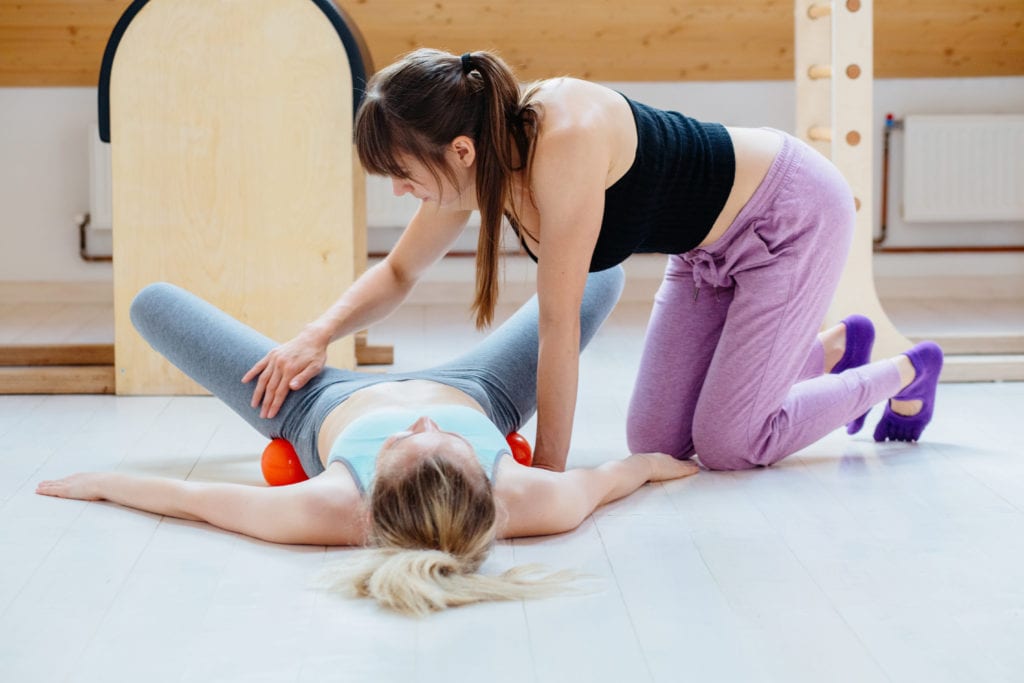
Pregnancy and childbirth bring remarkable changes to a woman’s body, especially to the pelvic floor muscles. These muscles provide support for the bladder, uterus, and bowel while helping with core stability and bladder control. After delivery, many women experience weakness, discomfort, or changes in pelvic function that require time and proper care to recover. Understanding postpartum pelvic floor support is essential for restoring strength, improving comfort, and promoting long-term pelvic health.
Understanding the Pelvic Floor After Childbirth
The pelvic floor is a group of muscles and connective tissues located at the base of the pelvis. During pregnancy, these muscles support the growing baby while stretching significantly during vaginal delivery. Even women who have cesarean births may experience pelvic floor weakness due to the increased pressure of pregnancy.
Following childbirth, the pelvic floor may become weaker, tighter, or less coordinated. Recovery varies depending on factors such as labor duration, baby’s size, birth method, and overall health.
Why Postpartum Pelvic Floor Support Matters
Proper postpartum pelvic floor support helps restore muscle function while reducing the risk of future complications. Healthy pelvic floor muscles contribute to:
- Better bladder and bowel control
- Improved pelvic organ support
- Enhanced core stability
- Reduced pelvic pain
- Improved sexual wellness
- Faster postpartum recovery
- Greater confidence during daily activities and exercise
Early attention to pelvic health can also lower the likelihood of long-term pelvic floor disorders.
Common Pelvic Floor Changes After Delivery
Many women notice temporary changes during the weeks or months after childbirth. These may include:
- Urinary leakage when coughing or sneezing
- A feeling of heaviness in the pelvic area
- Mild pelvic discomfort
- Reduced core strength
- Pain during intimacy
- Difficulty controlling gas or bowel movements
While many symptoms improve naturally, persistent problems should be evaluated by a qualified healthcare professional.
Safe Exercises for Recovery
Gentle movement encourages circulation and helps muscles regain strength. Recovery should always progress gradually based on individual healing.
Helpful exercises include:
Pelvic Floor Contractions
Often called Kegel exercises, these involve gently tightening and relaxing the pelvic floor muscles without holding the breath.
Diaphragmatic Breathing
Deep breathing coordinates the diaphragm and pelvic floor, helping muscles relax and function together.
Core Activation
Gentle abdominal exercises strengthen the deep core muscles that work alongside the pelvic floor.
Walking
Short daily walks improve circulation, promote healing, and support overall postpartum recovery.
Lifestyle Habits That Promote Healing
Healthy daily habits play an important role in pelvic floor recovery.
Maintain Good Hydration
Drinking enough water supports healthy bladder function and prevents constipation.
Eat Fiber-Rich Foods
A balanced diet with fruits, vegetables, whole grains, and legumes helps prevent straining during bowel movements.
Avoid Heavy Lifting
Allow healing tissues adequate time before lifting heavy objects or performing strenuous exercise.
Practice Good Posture
Proper posture reduces unnecessary pressure on weakened pelvic muscles.
Get Enough Rest
Rest allows tissues to heal while supporting hormonal recovery after childbirth.
Physical Therapy and Professional Care
Pelvic floor physical therapists specialize in evaluating muscle strength, coordination, and flexibility. Treatment may include:
- Personalized exercise programs
- Manual therapy techniques
- Breathing coordination
- Posture training
- Core strengthening
- Education on daily movement patterns
Professional guidance can significantly improve recovery for women experiencing ongoing symptoms.
Supportive Recovery Products
Several products may complement rehabilitation when recommended by healthcare providers.
Examples include:
- Pelvic support garments
- Recovery compression shorts
- Pelvic floor exercise trainers
- Biofeedback devices
- Therapy balls
- Comfortable postpartum cushions
These tools should be used alongside proper exercise and professional advice rather than replacing medical care.
When to Seek Medical Advice
Consult a healthcare provider if symptoms continue beyond the normal healing period or become severe. Medical evaluation is recommended for:
- Persistent urinary leakage
- Significant pelvic pressure
- Severe pelvic pain
- Difficulty emptying the bladder
- Bowel control problems
- Pain during intercourse
- Visible tissue bulging from the vagina
Early treatment often leads to better long-term outcomes.
Long-Term Pelvic Health
Recovery continues well beyond the first few weeks after childbirth. Maintaining pelvic floor health involves regular exercise, healthy weight management, proper lifting techniques, and staying physically active. Continued attention to pelvic strength can reduce future risks of urinary incontinence and pelvic organ prolapse while supporting overall quality of life.
Conclusion
Every woman’s postpartum journey is unique, and recovery should never be rushed. With patience, appropriate exercise, healthy lifestyle habits, and professional guidance when needed, the pelvic floor can regain much of its strength and function. Prioritizing postpartum pelvic floor support not only improves recovery after childbirth but also lays the foundation for lifelong pelvic health, comfort, and confidence.