


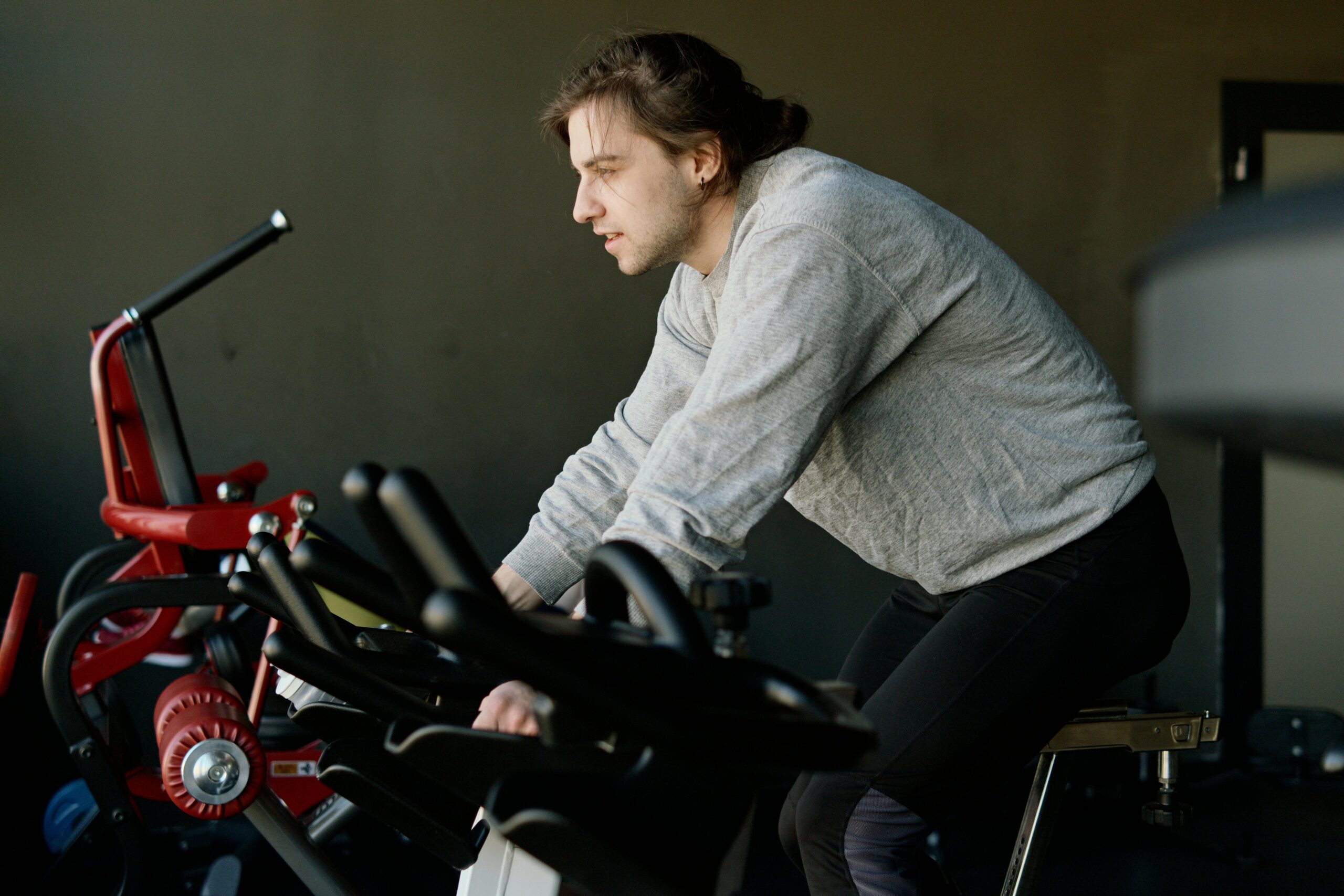
Finding enjoyable and sustainable ways to stay active can be challenging, especially when busy schedules, weather conditions, and limited gym access create obstacles. Fortunately, home fitness equipment has continued to evolve, offering practical options that support different exercise routines. Among these tools, exercise bikes have become a dependable choice for individuals seeking flexible and efficient workouts without leaving home.
Whether someone wants to improve endurance, maintain cardiovascular health, or establish a consistent routine, indoor cycling offers an adaptable option for many fitness levels. Moreover, these machines can fit into apartments, home gyms, or dedicated wellness spaces while supporting various training styles.
Building Consistent Daily Habits
Creating healthier routines often begins with convenience. When workouts require lengthy travel or complicated planning, motivation can gradually decrease. However, having exercise equipment available at home removes several common barriers that prevent consistency.
Indoor cycling equipment allows users to exercise at a preferred time, whether early in the morning, during lunch breaks, or late in the evening. Because accessibility matters, many people find that shorter sessions become easier to commit to over time. Instead of relying on ideal conditions or open schedules, individuals can create routines that fit naturally into daily life.
Additionally, consistency often contributes more to long-term wellness than occasional intense sessions. Even moderate workouts performed regularly can support meaningful physical improvements while helping establish sustainable habits.
Improving Cardiovascular Performance
Heart health remains an important component of overall wellness, and aerobic activity plays a significant role in supporting it. Cycling workouts elevate heart rate while encouraging better circulation and endurance. As a result, regular participation can contribute to improved stamina during everyday activities.
Unlike certain high-impact workouts, cycling places less stress on joints while still challenging the cardiovascular system. This creates opportunities for people across different age groups and fitness backgrounds to engage in meaningful movement without excessive strain.
Furthermore, many modern indoor cycling systems include resistance adjustments that allow workouts to evolve over time. Users can gradually increase intensity levels as endurance improves, creating progressive challenges that encourage continued development.
As fitness technology expands, many people researching exercise bikes are increasingly interested in features that combine convenience with performance tracking. Data measurements, personalized settings, and guided programs can create greater awareness of workout progress while helping users stay engaged.
Supporting Low-Impact Movement
Not every exercise approach works equally for everybody. Joint concerns, prior injuries, or mobility limitations may affect which activities feel manageable and comfortable. Consequently, low-impact exercises often become valuable alternatives.
Cycling provides a smoother motion compared with repetitive jumping or high-impact training. Because pedaling reduces impact on knees, ankles, and hips, users frequently experience less physical stress during workouts. This feature becomes especially beneficial for older adults or individuals returning to exercise after extended inactivity.
In addition, low-impact movement does not necessarily mean low intensity. Resistance settings and interval training options can create demanding workouts while maintaining joint-friendly mechanics.
Many fitness professionals also recommend incorporating low-impact exercises alongside strength training and flexibility routines for a more balanced approach to health and wellness.
Expanding Personalized Workout Options
Fitness goals vary widely from person to person. Some individuals prioritize weight management, while others focus on endurance, stress relief, or athletic conditioning. Therefore, adaptable workout equipment often offers greater long-term value.
Indoor cycling supports a wide range of exercise styles. Steady rides, interval training sessions, recovery workouts, and endurance challenges can all occur using the same machine. This versatility allows users to modify sessions according to changing goals or energy levels.
Additionally, technological improvements continue transforming the exercise experience. Interactive training platforms, virtual classes, and progress tracking systems create opportunities for engagement that extend beyond traditional workouts.
As workout preferences evolve, flexibility becomes increasingly important. Equipment capable of adapting to changing needs often supports better long-term commitment.
Enhancing Mental Wellness Benefits
Physical activity offers benefits that extend beyond muscles and cardiovascular conditioning. Mental health and emotional well-being frequently improve through regular movement, particularly when exercise becomes part of a structured routine.
Cycling workouts may help reduce stress by encouraging physical exertion and focused activity. During exercise, the body releases endorphins that contribute to improved mood and emotional balance. Consequently, individuals often report feeling more energized and mentally refreshed after consistent workouts.
Additionally, indoor exercise can create moments of personal time that support mindfulness. Whether someone chooses calming music, guided coaching, or quiet sessions, dedicated exercise periods may provide welcome breaks from daily demands.
Moreover, visible progress often strengthens motivation. Observing increased endurance, improved energy, or enhanced performance can create positive reinforcement that supports continued participation.
Creating Long-Term Fitness Success
Sustainable fitness approaches frequently depend on accessibility, comfort, and adaptability. Exercise routines that feel overwhelming or inconvenient often become difficult to maintain. In contrast, activities that integrate naturally into everyday life may encourage greater long-term success.
Indoor cycling equipment continues to appeal to individuals seeking efficient workouts with flexible scheduling options. By supporting cardiovascular health, low-impact movement, and personalized training experiences, these machines address a wide variety of fitness goals.
Ultimately, successful wellness journeys rarely rely on perfection. Instead, they often develop through manageable choices repeated consistently over time. Whether someone begins with short rides or structured training sessions, incorporating movement into daily life can create meaningful benefits that extend far beyond physical fitness.