


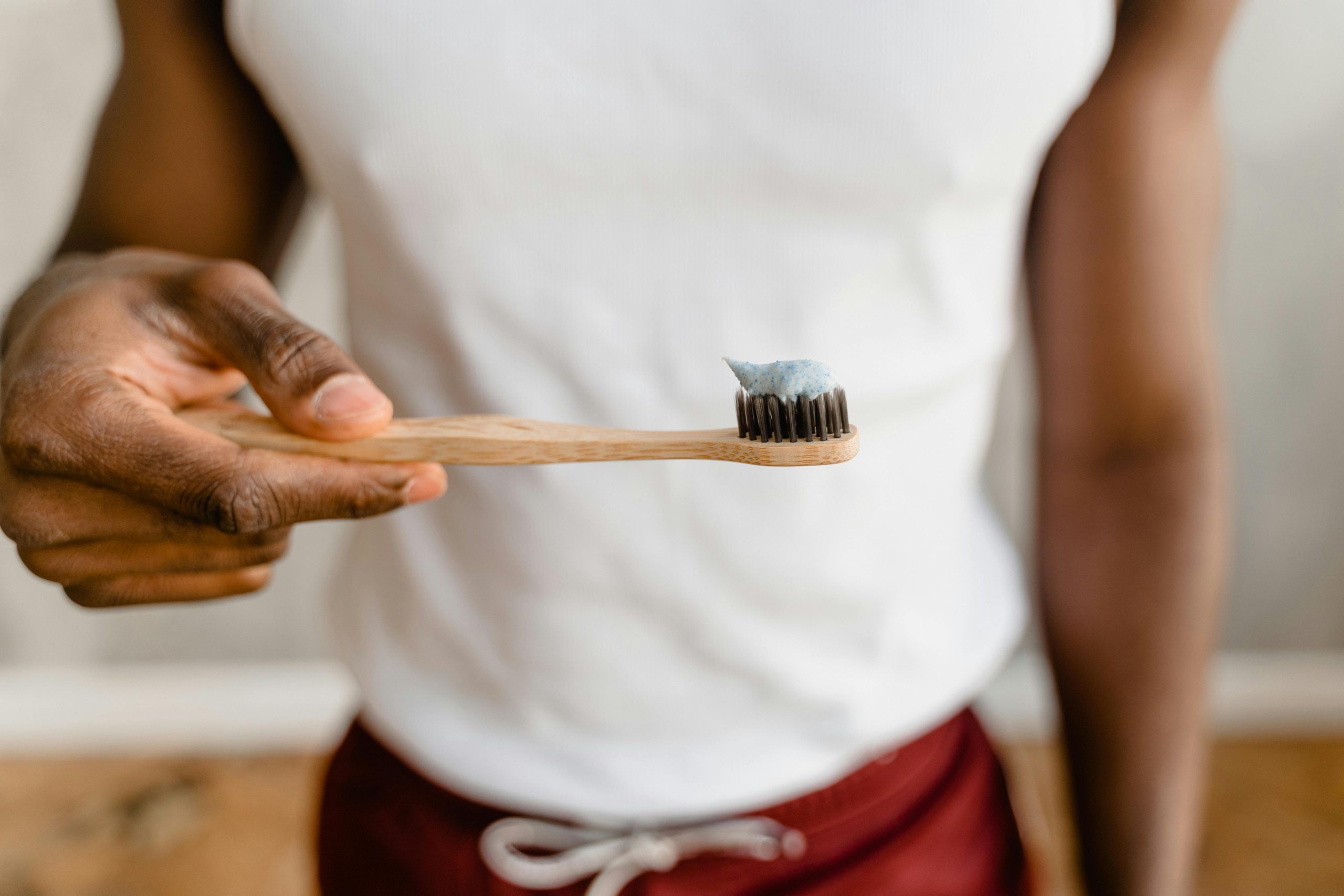
Choosing the right toothpaste goes beyond picking a minty flavor or a familiar brand. While most people rely on traditional toothpaste for daily oral care, specialized options like DioxiBrite toothpaste offer a different approach to cleaning and protecting the mouth. Designed with active chlorine dioxide, DioxiBrite aims to address oral health concerns at a deeper level than conventional toothpaste. Understanding what this toothpaste offers and how it differs from standard formulas can help you decide whether it fits your dental care routine.
Understanding DioxiBrite Toothpaste
DioxiBrite toothpaste is formulated around chlorine dioxide, a compound widely recognized for its antimicrobial properties. Unlike regular toothpaste, which focuses on mechanical cleaning and enamel protection, DioxiBrite is designed to actively neutralize harmful bacteria in the mouth.
Most standard toothpaste products clean teeth using mild abrasives to scrub away plaque and food debris. DioxiBrite works differently by targeting bacteria chemically rather than relying only on brushing action. This approach allows it to reach areas between teeth, along the gumline, and on the tongue where odor-causing bacteria often thrive.
In many cases, DioxiBrite toothpaste is packaged as a two-part system that activates chlorine dioxide at the time of use. This ensures the ingredient remains effective and fresh, unlike regular toothpaste that remains static in the tube.
What Benefits Can You Get from DioxiBrite Toothpaste?
One of the most noticeable benefits of dioxibrite toothpaste is long-lasting breath freshness. Instead of masking bad breath with strong flavors, it neutralizes the sulfur compounds responsible for unpleasant odors. This makes it especially helpful for people who experience chronic bad breath even with regular brushing.
Another key benefit is its ability to reduce harmful oral bacteria. Chlorine dioxide works at a molecular level to disrupt bacterial cells, helping limit the buildup of plaque and biofilm. Biofilms are sticky bacterial layers that attach to teeth and gums and are difficult to remove with brushing alone. By breaking down these layers, DioxiBrite supports a cleaner and healthier mouth.
DioxiBrite toothpaste may also contribute to healthier gums. Bacteria accumulation along the gumline can lead to inflammation and bleeding. By controlling bacterial growth more effectively, this toothpaste may help reduce early signs of gum irritation when used consistently.
Some users also notice mild whitening effects. The oxidizing action of chlorine dioxide can help lift surface stains caused by coffee, tea, or certain foods. While it is not a replacement for professional whitening treatments, it may gradually improve the brightness of teeth over time.
How Regular Toothpaste Works
To understand what makes DioxiBrite different, it’s important to look at how traditional toothpaste functions. Normal toothpaste usually contains fluoride to strengthen enamel and prevent cavities. Abrasives help physically remove plaque, while foaming agents assist in spreading the paste throughout the mouth.
Regular toothpaste is effective for daily cleaning and cavity prevention, especially when used with proper brushing and flossing techniques. However, it does not always address deeper bacterial activity or persistent breath issues. Its effectiveness largely depends on physical brushing rather than active chemical action against bacteria.
Key Differences Between DioxiBrite and Normal Toothpaste
The primary difference between DioxiBrite toothpaste and regular toothpaste lies in how they fight bacteria. Traditional toothpaste removes bacteria mainly through brushing and rinsing. DioxiBrite actively kills bacteria through oxidation, which allows it to work quickly and reach areas that brushes may miss.
Another major distinction is breath control. Regular toothpaste often relies on flavoring agents for freshness, which fade quickly. DioxiBrite neutralizes odor-causing compounds, offering longer-lasting freshness without overpowering flavors.
Formulation is also a differentiating factor. Normal toothpaste is a single blended paste, while DioxiBrite often uses a dual-component system that activates during use. This makes it more specialized and targeted in its function.
Finally, DioxiBrite toothpaste tends to be positioned as a therapeutic oral care product, while regular toothpaste is designed for general daily maintenance.
Who May Benefit Most from DioxiBrite Toothpaste
DioxiBrite toothpaste may be especially beneficial for individuals who struggle with persistent bad breath, frequent plaque buildup, or early gum sensitivity. People who feel that regular toothpaste does not fully address their oral hygiene concerns may appreciate its deeper antibacterial action.
Those with braces, dental appliances, or difficulty flossing may also find value in a toothpaste that targets bacteria more aggressively. However, it should still be used alongside brushing, flossing, and professional dental care.
Things to Consider Before Switching
While DioxiBrite offers unique benefits, it is generally more expensive than regular toothpaste. The taste and texture may also feel different, which can take some getting used to. As with any oral care product, individuals with sensitive mouths or specific dental conditions should consult a dentist before making a permanent switch.
Conclusion
DioxiBrite toothpaste stands apart from regular toothpaste by focusing on active bacterial control, odor neutralization, and biofilm disruption rather than surface-level cleaning alone. Its chlorine dioxide-based formula offers a deeper approach to oral hygiene, making it a strong option for those seeking more advanced dental care benefits.
While traditional toothpaste remains effective for everyday use, DioxiBrite provides an alternative for people who want enhanced freshness, cleaner gums, and better control over oral bacteria. Used responsibly and as part of a complete oral hygiene routine, it can be a valuable addition to modern dental care.