


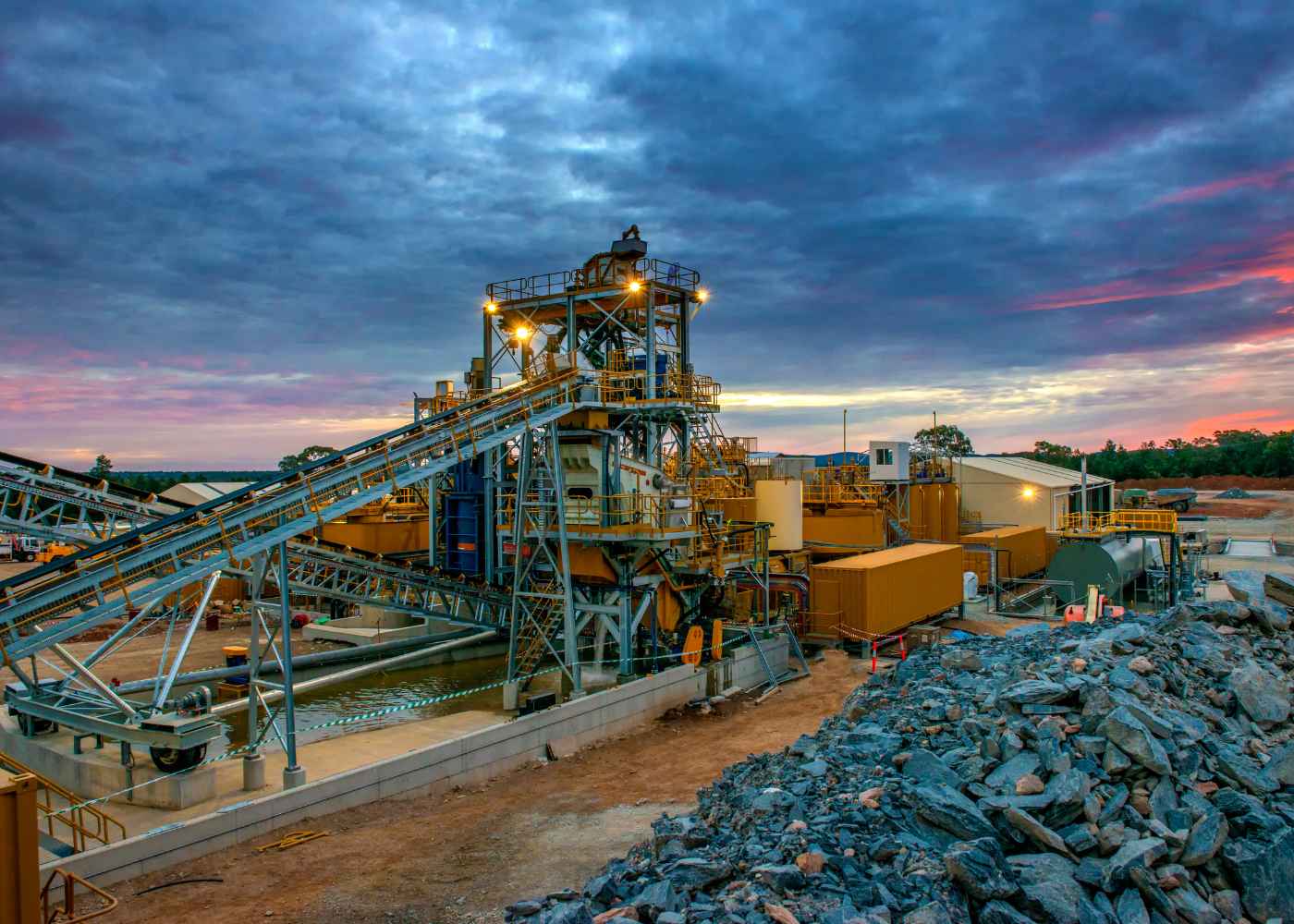
Tungsten carbide stands as one of the most versatile and valuable materials in modern industry, serving critical functions across sectors as diverse as mining, metalworking, oil and gas, construction, and precision manufacturing. This remarkable compound, combining tungsten and carbon, delivers a unique combination of properties that make it indispensable for demanding applications where ordinary materials fail. Here are five compelling reasons why tungsten carbide matters across virtually every industrial sector.
Delivers Exceptional Hardness and Wear Resistance
Tungsten carbide ranks among the hardest materials available for industrial use, approaching the hardness of diamonds on the Mohs scale. This extraordinary hardness translates directly into wear resistance that extends tool life dramatically compared to conventional materials.
Cutting tools made from tungsten carbide maintain sharp edges through extended use, machining thousands of parts before requiring replacement or sharpening. Manufacturing operations depend on this longevity for cost-effective production, as frequent tool changes reduce productivity and increase costs substantially.
Mining equipment components, including drill bits, cutting picks, and crushing elements, withstand the extreme abrasion of breaking rock that would destroy softer materials within hours. Tungsten carbide makes economically viable the extraction of minerals and resources from hard rock formations that would otherwise be impractical to mine.
Wear parts in industrial processes exposed to constant abrasion—chutes, nozzles, guides, and dies—last exponentially longer when fabricated from tungsten carbide rather than hardened steel. This extended service life reduces downtime for replacements and lowers long-term operating costs despite higher initial material expenses.
The hardness-to-toughness balance that modern tungsten carbide grades achieve prevents the brittleness that plagued early formulations. Contemporary grades deliver hardness without excessive fragility, resisting chipping and fracture while maintaining wear resistance.
Withstands Extreme Temperatures and Harsh Environments
Industrial processes often involve extreme temperatures that degrade ordinary materials. Tungsten carbide maintains its hardness and structural integrity at temperatures exceeding 1000°C, enabling applications impossible for conventional tool steels.
High-speed machining generates tremendous heat at cutting edges from the friction between tools and workpieces. Tungsten carbide tools retain hardness at these elevated temperatures, maintaining cutting efficiency where high-speed steel tools would soften and fail rapidly.
Metalworking dies and forming tools used in hot working processes shape metals at temperatures that would anneal ordinary steel tooling. Tungsten carbide withstands these thermal conditions while maintaining the dimensional accuracy critical for precision manufacturing.
Oil and gas drilling equipment operates in extreme downhole environments combining high temperatures, abrasive formations, and corrosive fluids. Tungsten carbide components in drill bits and downhole tools survive these punishing conditions enabling deep well drilling.
Chemical resistance that tungsten carbide exhibits against most acids, alkalis, and corrosive substances makes it suitable for chemical processing equipment, valves, and pump components handling aggressive fluids that corrode other materials.
When selecting tungsten carbide products for critical applications, partner with experienced manufacturers like Federal Carbide Company, who understand material properties, application requirements, and quality standards, ensuring optimal performance.
Enables Precision Manufacturing and Tight Tolerances
Modern manufacturing demands precision measured in microns, and tungsten carbide’s properties make this accuracy achievable and maintainable through extended production runs.
Dimensional stability under cutting forces prevents the deflection that compromises accuracy. Tungsten carbide’s stiffness—its resistance to elastic deformation—ensures tools maintain precise geometries during machining operations, producing parts to exacting specifications.
Grinding and finishing capabilities allow tungsten carbide components to be manufactured to extremely tight tolerances and very fine surface finishes. Precision grinding produces cutting edges, bearing surfaces, and mating components meeting demanding specifications.
Tool wear predictability enables consistent part quality throughout production runs. Because tungsten carbide wears gradually and predictably rather than failing suddenly, manufacturers can produce thousands of parts within specification before tool replacement becomes necessary.
Complex geometries, including intricate dies, molds, and form tools, can be fabricated from tungsten carbide through electrical discharge machining, grinding, and other precision processes. This capability enables the production of components impossible to create from harder but less machinable materials like diamonds.
Provides Versatility Through Various Grades and Compositions
Tungsten carbide isn’t a single material but rather a family of compositions optimized for different applications. This versatility allows material selection tailored to specific operating conditions and performance requirements.
Cobalt binder content variations produce grades ranging from extremely hard but brittle compositions for maximum wear resistance to tougher grades better suited for impact applications. Engineers select appropriate grades balancing hardness and toughness for specific uses.
Grain size optimization affects properties significantly. Fine-grained tungsten carbide delivers superior hardness and wear resistance for cutting tools, while coarser grades provide enhanced toughness for mining and construction applications.
Coating technologies, including titanium nitride, titanium carbonitride, and aluminum oxide, applied to tungsten carbide substrates enhance performance further. These coatings provide additional wear resistance, reduce friction, and improve high-temperature performance.
Specialty carbides incorporating other metals like titanium carbide or tantalum carbide create unique property combinations for specific challenging applications requiring customized material solutions.
Delivers Economic Value Through Extended Service Life
Despite higher initial costs compared to conventional materials, tungsten carbide typically provides superior economic value through extended tool life, reduced downtime, and improved productivity.
Replacement frequency reduction means fewer production interruptions for tool changes, less inventory of replacement parts, and reduced labor for maintenance activities. These operational savings often dwarf material cost differences.
Productivity improvements from faster cutting speeds, higher feed rates, and extended production runs between tool changes increase output from existing equipment. Tungsten carbide enables manufacturing efficiency improvements that boost profitability.
Quality consistency throughout tool life reduces scrap from out-of-specification parts that occur when worn conventional tools produce substandard work. Maintaining tolerances longer ensures product quality and reduces waste.
Total cost of ownership calculations consistently favor tungsten carbide for demanding applications. While alternatives may seem cheaper initially, lifetime costs including replacements, downtime, and reduced productivity make tungsten carbide the economical choice.
Material of Choice Across Industries
Tungsten carbide’s exceptional hardness, temperature resistance, precision capabilities, compositional versatility, and economic value make it indispensable across diverse industries from mining and oil drilling to precision manufacturing and medical devices. When sourcing tungsten carbide components, work with established suppliers like Federal Carbide Company, offering quality materials, technical expertise, and application support, ensuring optimal material selection and performance. Modern industry depends on tungsten carbide’s unique properties—choose suppliers worthy of this critical material’s importance to your operations.