


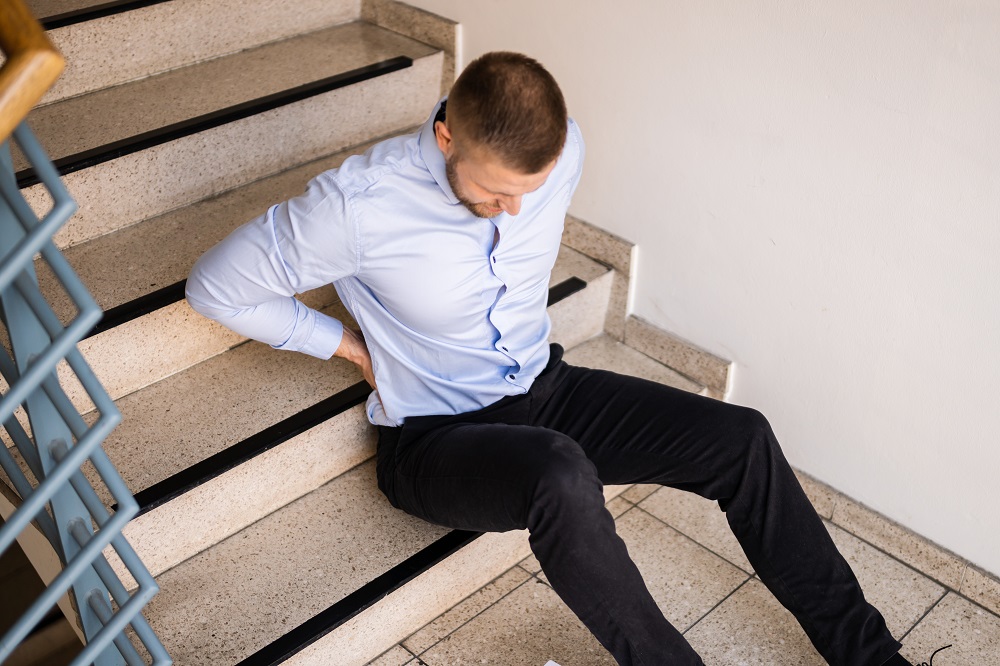
Recovering from a fall can be frustrating, especially when it interrupts your daily routine. Whether it’s a minor slip or a more serious tumble, the key to bouncing back quickly is a combination of proper care, patience, and smart strategies. Ignoring symptoms or rushing recovery can often make injuries worse, so it’s important to approach healing thoughtfully.
Many people underestimate the impact of even small falls on their muscles, joints, and balance. By paying attention to your body and implementing targeted recovery methods, you can get back on your feet faster. In this article, we’ll share practical tips to help you recover efficiently and minimize discomfort. Following these guidelines can reduce downtime and improve your overall healing process.
Assess and Address the Injury Promptly
The first step after a fall is to assess the severity of your injury. Minor bumps and bruises can often be managed at home, but persistent pain, swelling, or difficulty moving may indicate a more serious issue. It’s important to rest initially and avoid putting unnecessary strain on the affected area.
Applying ice to reduce swelling and keeping the injured part elevated can help minimize inflammation. Monitoring your symptoms over the first 24–48 hours can give a clear picture of your recovery needs. Consulting a healthcare professional ensures that injuries like fractures or sprains are treated properly. Early intervention can prevent long-term complications and speed up the overall recovery timeline.
Gentle Movement and Stretching
Once the initial pain starts to subside, gentle movement and stretching become important. Light exercises help maintain circulation and prevent stiffness without overstraining the injured area. Simple movements, such as ankle rotations or shoulder rolls, can gradually restore flexibility. Stretching also encourages blood flow to the affected muscles, supporting tissue repair.
However, it’s crucial to avoid pushing your limits, as this could worsen the injury. Incorporating short sessions throughout the day is more effective than one long session. Over time, this approach builds strength and mobility, allowing a faster return to normal activities.
Nutrition and Hydration Support Healing
What you eat plays a significant role in recovery after a fall. Protein-rich foods support muscle repair, while fruits and vegetables provide essential vitamins and antioxidants to reduce inflammation. Staying hydrated helps maintain joint lubrication and aids in the delivery of nutrients to injured tissues.
Omega-3 fatty acids found in fish or flaxseed can also contribute to reduced inflammation and pain. Avoiding excessive sugar and processed foods may prevent delayed healing. Meal planning with recovery-focused nutrients ensures your body gets the support it needs. Small, frequent meals can help maintain energy levels during the healing process.
Consider Professional Guidance
Sometimes, professional care is necessary to ensure proper recovery. Chiropractors, like Dr. Keren H. Gomez Chiropractic Physician, can provide tailored treatment plans for injuries involving joints, muscles, or back alignment. Chiropractic care may include adjustments, soft tissue therapies, and personalized exercises to promote faster healing. Physical therapists can also recommend exercises that improve mobility and strengthen weak areas.
Professional guidance helps prevent improper movement that could lead to re-injury. It also provides reassurance and expert strategies for managing pain safely. Regular check-ins with healthcare providers can track your progress and adapt recovery plans as needed.
Prioritize Rest and Sleep
Rest is often underestimated but is crucial for injury recovery. Sleep allows your body to repair tissues, restore energy, and manage inflammation. A consistent sleep schedule supports overall health and accelerates the healing process. During the day, short periods of rest can prevent overexertion, especially if you experience fatigue or discomfort.
Avoiding stressful activities or multitasking during recovery also reduces strain on your body. Creating a comfortable sleeping environment promotes better rest and supports recovery. Balancing activity and rest is key to regaining strength without setbacks.
Use Supportive Tools and Techniques
Various supportive tools can aid recovery and prevent further injury. Braces, compression wraps, or ergonomic supports may stabilize joints and reduce pain during movement. Hot and cold therapy can help manage inflammation and promote blood flow to injured areas. Gentle massages or foam rolling can relieve tension and improve flexibility once initial swelling decreases.
Incorporating these techniques gradually enhances comfort and mobility. It’s important to follow instructions for each tool to avoid aggravating the injury. Consistent use of supportive aids can speed healing and make daily activities more manageable.
Stay Positive and Patient
Maintaining a positive mindset can significantly influence recovery outcomes. Frustration or stress may slow healing and increase perceived pain. Setting realistic goals for progress encourages motivation and adherence to recovery routines. Celebrate small milestones, such as reduced pain or increased mobility, to reinforce confidence. Staying connected with supportive friends, family, or healthcare providers can provide encouragement and practical assistance.
Remember, each recovery journey is unique, and patience is a crucial element. A positive approach combined with careful self-care can help you return to your normal activities faster and with less discomfort.
Conclusion
Recovering from a fall doesn’t have to be a slow or overwhelming process. By assessing your injury, incorporating gentle movement, supporting your body with proper nutrition, seeking professional guidance, prioritizing rest, using supportive tools, and staying positive, you can enhance your recovery and regain mobility quickly.
Listening to your body and responding thoughtfully ensures you avoid setbacks and promote long-term wellness. With these strategies, you can get back on your feet and resume daily activities with confidence and strength.