


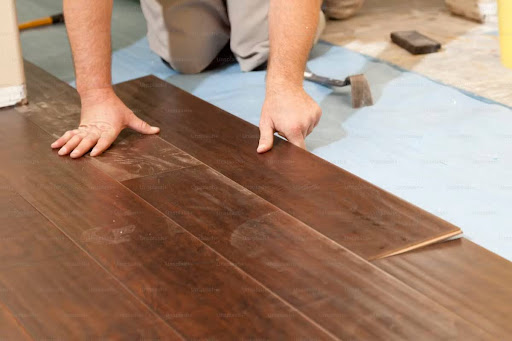
Vinyl flooring has become one of the most popular choices among homeowners due to its durability, versatility, and stylish appeal. Whether you want the look of wood, tile, or stone without the high cost and maintenance, vinyl offers a perfect balance of beauty and practicality. However, before installing it in your home, there are several important factors to keep in mind to ensure long-term satisfaction and performance.
Here are five key considerations when planning vinyl flooring for your home.
1. Choose the Right Type of Residential Vinyl Flooring
When it comes to residential vinyl flooring, there are several options to suit different rooms and lifestyles. Luxury Vinyl Plank (LVP) and Luxury Vinyl Tile (LVT) are popular choices for living areas, bedrooms, and even kitchens because they mimic natural materials while being waterproof and scratch-resistant.
Sheet vinyl, on the other hand, provides a seamless and budget-friendly option for bathrooms and laundry rooms. Consider the level of foot traffic, moisture exposure, and design preferences in each room before making your selection.
2. Plan a Professional Vinyl Flooring Installation
A flawless finish starts with proper vinyl flooring installation. Professional installation ensures that the subfloor is even, dry, and free from imperfections that can cause bubbling or warping over time. Experts also know how to make precise cuts around corners and edges for a seamless appearance.
While DIY installation may seem cost-effective, hiring a professional can save you time, prevent costly mistakes, and guarantee that the flooring adheres correctly for long-term durability.
3. Evaluate the Subfloor Condition
The subfloor serves as the foundation for your vinyl flooring. It must be level, smooth, and clean to avoid imperfections showing through the vinyl surface. Cracks or uneven spots can affect the flooring’s appearance and cause premature wear.
Before installation, ensure the subfloor is properly prepared, and consider adding an underlayment if additional cushioning or soundproofing is desired.
4. Consider the Room’s Temperature and Humidity
Vinyl flooring performs best in controlled indoor environments. Extreme temperature changes or excessive humidity can cause expansion or contraction. For areas like basements or bathrooms where moisture is common, choose waterproof vinyl options and use proper sealing techniques.
Maintaining consistent indoor conditions will help your flooring remain stable and beautiful for years. You can also use dehumidifiers to reduce excess seasonal humidity that might damage flooring.
5. Think About Maintenance and Longevity
One of the biggest advantages of vinyl flooring is its low maintenance. Regular sweeping, mopping, and avoiding harsh cleaners will keep it looking new.
Choosing high-quality vinyl with a protective wear layer can further enhance its resistance to stains, scratches, and fading. With proper care, your vinyl floors can maintain their elegance for decades.
Conclusion
Vinyl flooring is a stylish and practical investment for any modern home. By choosing the right vinyl flooring options for residential use, ensuring proper vinyl flooring professional installation, and paying attention to subfloor quality, temperature, and maintenance, you can enjoy a long-lasting, elegant finish that enhances your home’s comfort and beauty. Vinyl flooring gives a luxury touch to the space if done right.