


Your smile is one of the first things people notice about you, but maintaining optimal dental health goes far beyond aesthetics. The habits you practice every day can mean the difference between a lifetime of healthy teeth and gums or frequent trips to the dentist for preventable problems. Here are seven evidence-based daily habits that can truly transform your oral health.
Brush Twice Daily with Proper Technique
It sounds simple, but most people don’t brush correctly. Set a timer for two minutes and use gentle circular motions rather than aggressive back-and-forth scrubbing. Hold your toothbrush at a 45-degree angle to your gums and make sure to brush all surfaces of each tooth. Many people rush through their evening routine when they’re tired, but this is actually the most critical brushing session since bacteria multiply rapidly while you sleep.
Never Skip Flossing
If you’re only brushing, you’re cleaning just 60% of your tooth surfaces. Flossing removes plaque and food particles from between teeth where your toothbrush simply can’t reach. The key is to floss before brushing, not after. This allows your toothpaste’s fluoride to reach those newly cleaned spaces between teeth. Use about 18 inches of floss, wrapping it around your fingers and using a fresh section for each tooth to avoid redistributing bacteria.
Incorporate an Effective Mouthwash
While brushing and flossing form the foundation of oral hygiene, adding a quality mouthwash can provide additional protection. Traditional alcohol-based mouthwashes can be harsh and drying, which is why many dentists now recommend alternatives that are gentler yet effective.
Chlorine dioxide mouthwash has gained attention in recent years for its unique properties. Unlike alcohol-based rinses, chlorine dioxide works by oxidizing volatile sulfur compounds that cause bad breath, rather than simply masking odors. Some studies suggest it may help reduce bacteria in hard-to-reach areas of the mouth. However, it’s important to choose products with appropriate concentrations and follow usage instructions carefully, as chlorine dioxide mouthwash isn’t suitable for everyone and should complement—not replace—brushing and flossing.
When selecting any mouthwash, look for one that addresses your specific needs, whether that’s cavity prevention, gum health, or sensitivity relief.
Stay Hydrated Throughout the Day
Saliva, which is about 99% water, neutralizes acids produced by bacteria, washes away food particles, and delivers minerals that strengthen tooth enamel. Aim for at least eight glasses of water daily, and take a sip after consuming acidic or sugary foods. If you experience dry mouth, this becomes even more critical, as reduced saliva flow increases your risk of cavities and gum disease.
Limit Snacking Between Meals
Every time you eat, bacteria in your mouth produce acid that attacks your enamel for about 20 minutes afterward. Constant snacking means your teeth are under near-continuous acid assault. Try to keep eating to regular mealtimes when you can, and if you need a snack, reach for tooth‑friendly choices like cheese, nuts, or raw veggies. These options boost saliva flow, which naturally helps wash away and neutralize harmful acids.
Replace Your Toothbrush Regularly
A worn toothbrush doesn’t clean effectively and can harbor bacteria. Replace your toothbrush every three to four months, or sooner if the bristles become frayed. This applies to electric toothbrush heads as well. Mark your calendar or set a phone reminder to make this habit automatic. Also replace your toothbrush after you’ve been sick to avoid reinfecting yourself.
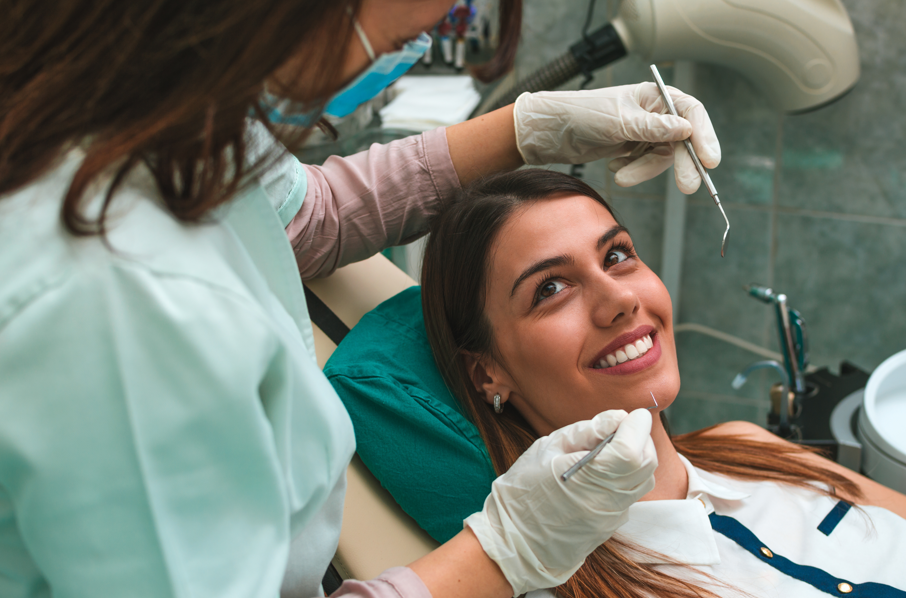
Schedule Consistent Dental Checkups
Even with perfect home care, you need professional cleanings to remove tartar buildup that brushing can’t eliminate. These appointments allow your dentist to catch small problems before they become major issues, potentially saving you thousands of dollars and significant discomfort.
The Compound Effect
The transformative power of these habits lies in their consistency. None of them requires a massive time investment—collectively, they take less than 15 minutes per day. Yet their impact compounds over months and years, determining whether you’ll keep your natural teeth for life or face extensive dental work. Start incorporating these seven habits today, and your future self will thank you with every confident smile.
